By Honest Sihlango
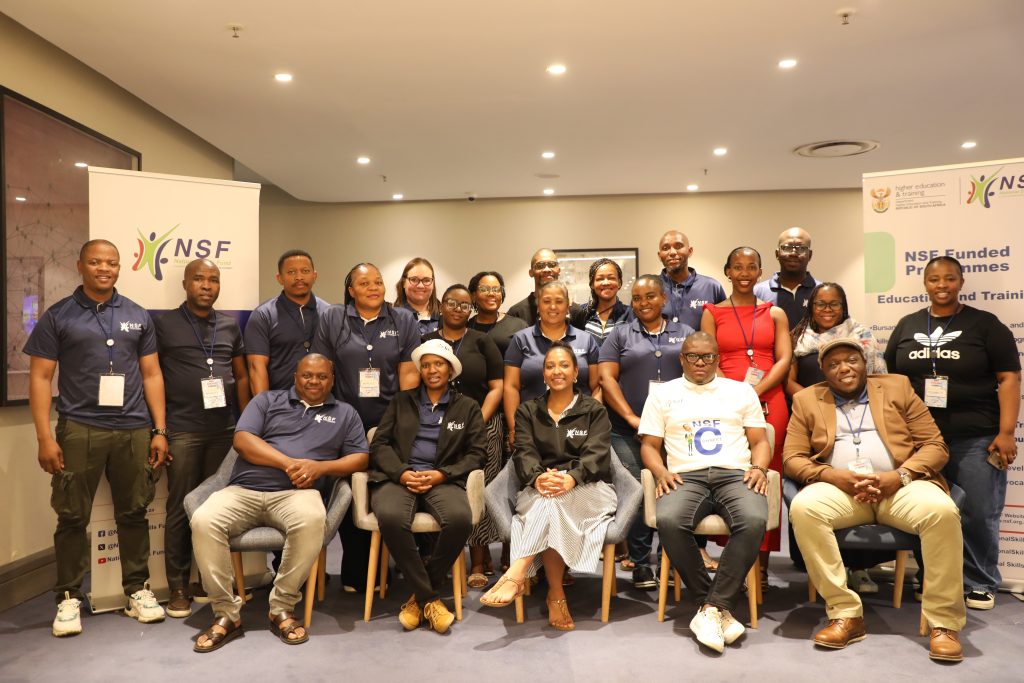
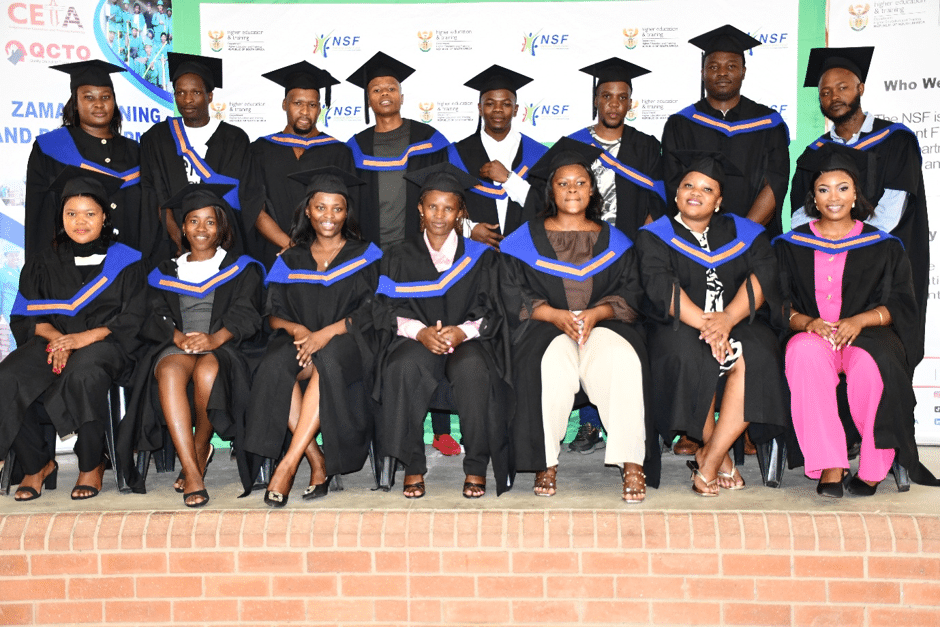
The partnership between the National Skills Fund (NSF) and Capricorn TVET College is creating opportunities for young people to pursue careers in both artisan and professional fields, while responding to the country’s growing demand for scarce and critical skills.
Through an investment of R45 million, the NSF is supporting 432 beneficiaries enrolled in a range of occupational, vocational, and academic programmes at the institution. The funding period runs from 23 June 2023 to 30 June 2026, reflecting the NSF’s continued commitment to equipping young South Africans with industry-relevant skills that improve employability and support economic growth.
Among the artisan and occupational programmes funded are Bricklaying, Carpentry, Fitter and Turner Trade, Diesel Mechanic, and Plastering and Tiling. These programmes equip learners with practical technical skills required within the construction, engineering, and manufacturing sectors. They are designed to provide beneficiaries with workplace competencies that can support sustainable employment and entrepreneurship opportunities.
In addition to artisan development, the NSF funding also supports learners pursuing qualifications in Furniture Making and Clothing Manufacturing Processes NQF Level 01, creating opportunities within the manufacturing and creative industries.
The investment further extends to academic and management disciplines through various National N Diploma programmes, including Business Management, Chemical Plant Operation, Civil Engineering, Electrical Engineering, Financial Management, Human Resource Management, Management Assistant, Marketing Management, and Public Management. These qualifications aim to produce graduates capable of contributing meaningfully within both the public and private sectors.
By investing across a wide range of programmes, the NSF is supporting skills development while contributing towards addressing South Africa’s skills shortages and strengthening the country’s technical and vocational education system.
The impact of the funding is expected to extend beyond individual beneficiaries, positively affecting families and communities as graduates enter the labour market with recognised qualifications and practical experience. Through initiatives such as these, the NSF continues to create opportunities for young people, particularly those from disadvantaged backgrounds, to participate meaningfully in the economy.
As South Africa continues to confront youth unemployment and skills mismatches, partnerships between the NSF and institutions such as Capricorn TVET College remain important in ensuring that young people gain access to education, training, and employment opportunities.
A key component of the NSF-funded programme at Capricorn TVET College is the integration of workplace-based learning, which provides beneficiaries with practical industry exposure to complement their institutional training. Through strategic partnerships facilitated by the college, beneficiaries are placed in real working environments where they can apply their technical knowledge, strengthen their competencies, and gain valuable industry experience.
For Diesel Mechanic apprentices, workplace exposure is being provided through partnerships with companies such as Great North Transport and Mafate Business Enterprises. These host employers play an important role in ensuring that apprentices receive hands-on training in diagnosing faults, servicing heavy machinery and vehicles, and understanding the operational demands of the mechanical sector. This practical exposure equips learners with industry-ready skills while improving their confidence and employability upon completion of training.

Diesel Mechanic apprentice Gift Chabalala, who is currently completing workplace training at Great North Transport, described the opportunity as an important step towards building his career within the automotive and transport sector.
“Being exposed to real workshop environments has taught me a lot about discipline, troubleshooting, and working with heavy vehicles. I am grateful for this opportunity because not everyone gets access to quality training and workplace experience,” he said.
Chabalala added that after completing the programme, he plans to qualify as a professional diesel mechanic and eventually establish his own mechanical workshop that could create employment opportunities for other young people.
Similarly, Fitter and Turner apprentices are gaining valuable workshop experience through placement at Mophala Engineering, where they are exposed to practical engineering environments and mechanical processes. Through this partnership, apprentices are developing technical competencies in machinery maintenance, fabrication, measurement techniques, and engineering precision, helping them bridge the gap between theoretical learning and workplace application.
For Fitter and Turner apprentice Lethabo Jacobs, workplace experience at Mophala Engineering has strengthened both her technical competencies and passion for engineering. She said the practical exposure has helped her understand how engineering concepts are applied in real industrial settings while preparing her for the demands of the workplace.
“The workshop experience has opened my eyes to the level of precision and skill required in this trade. I am learning every day and becoming more confident in my abilities,” said Jacobs.
Upon completion of the programme, she hopes to secure permanent employment within the engineering sector and later advance her studies by specialising further in mechanical engineering and industrial systems.
The importance of workplace-based learning cannot be overstated, particularly within technical and artisan occupations where practical competence is essential. Workplace learning allows beneficiaries to gain first-hand industry experience, understand workplace culture, and develop problem-solving abilities within real working environments.
It also provides employers with an opportunity to mentor and assess emerging talent while ensuring that graduates possess the practical skills required by industry.
Furthermore, workplace training strengthens the transition from education to employment by improving beneficiaries’ prospects of securing permanent opportunities after completing their studies. In many instances, apprentices who demonstrate commitment and competence during workplace exposure are considered for long-term employment by host companies.
These partnerships therefore contribute not only to improved learning outcomes, but also towards addressing youth unemployment and skills shortages within critical sectors of the economy. For many beneficiaries, the programme provides an important foundation for long-term career development and economic participation.