By Honest Sihlango
In a world where opportunity is often defined by geography, a bold shift is unfolding, one that is turning overlooked potential into undeniable power. Deep in the heart of the Eastern Cape, in towns like Queenstown, Alice, and East London, a new digital revolution is quietly taking root. Through the strategic partnership between the National Skills Fund (NSF) and the Pan African Information Communication Technology Association (PAICTA), young people from rural communities are no longer waiting for the future they are being equipped to build it, code it, secure it, and lead it.
PAICTA, in partnership with the NSF, has launched a transformative skills development initiative aimed at 440 beneficiaries in critical Information and Communication Technology (ICT) fields.
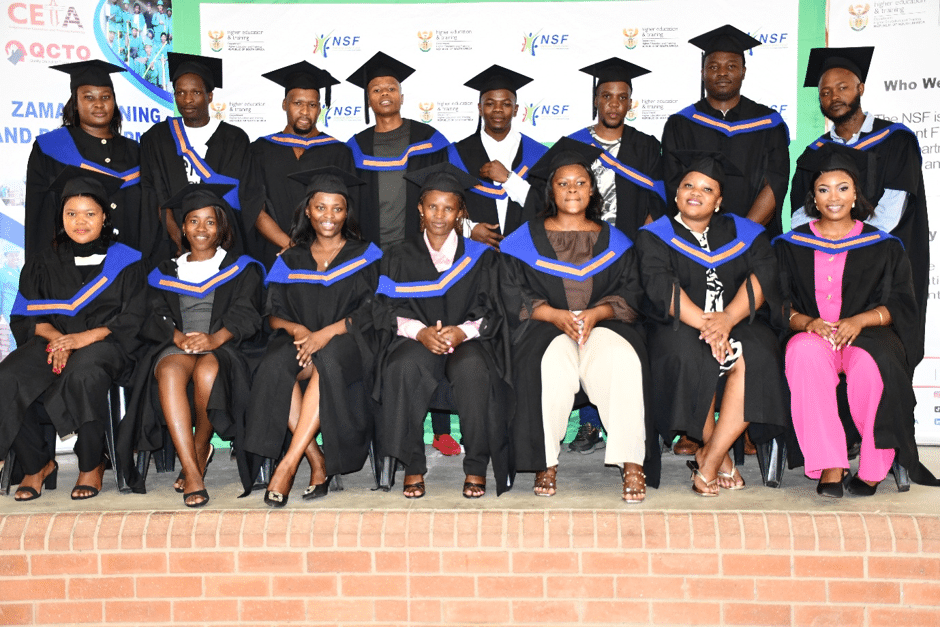
The programme includes a combination of learnerships programmes designed to equip beneficiaries with in-demand digital and technical competencies. Learnerships offered under the initiative include IT Systems Development (Levels 4 and 5) and National Certificate: Business Analysis (Level 6).
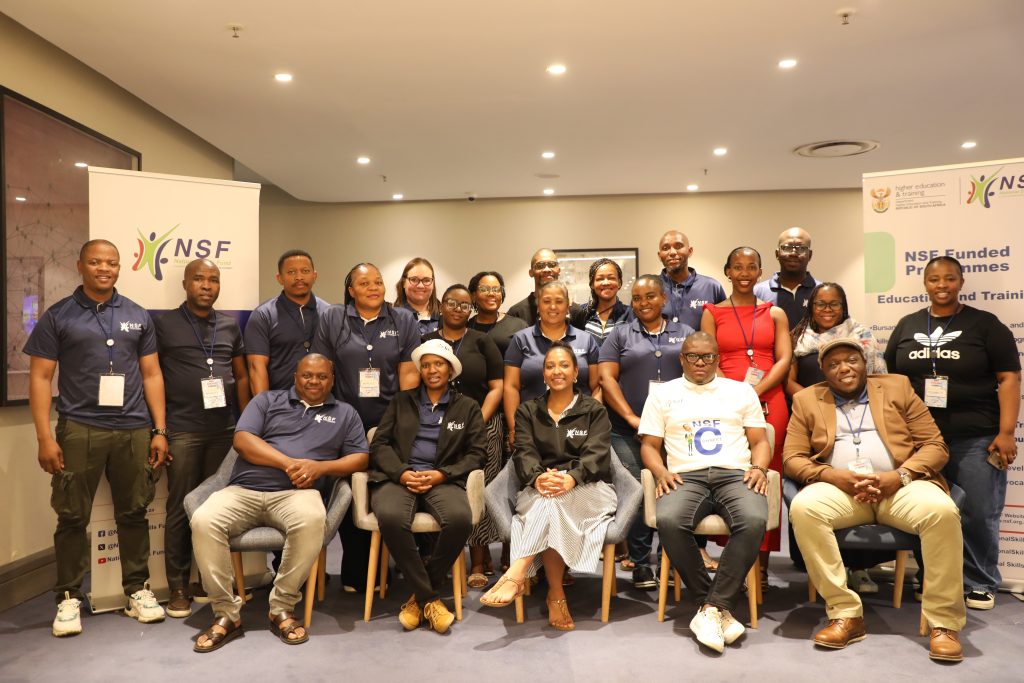
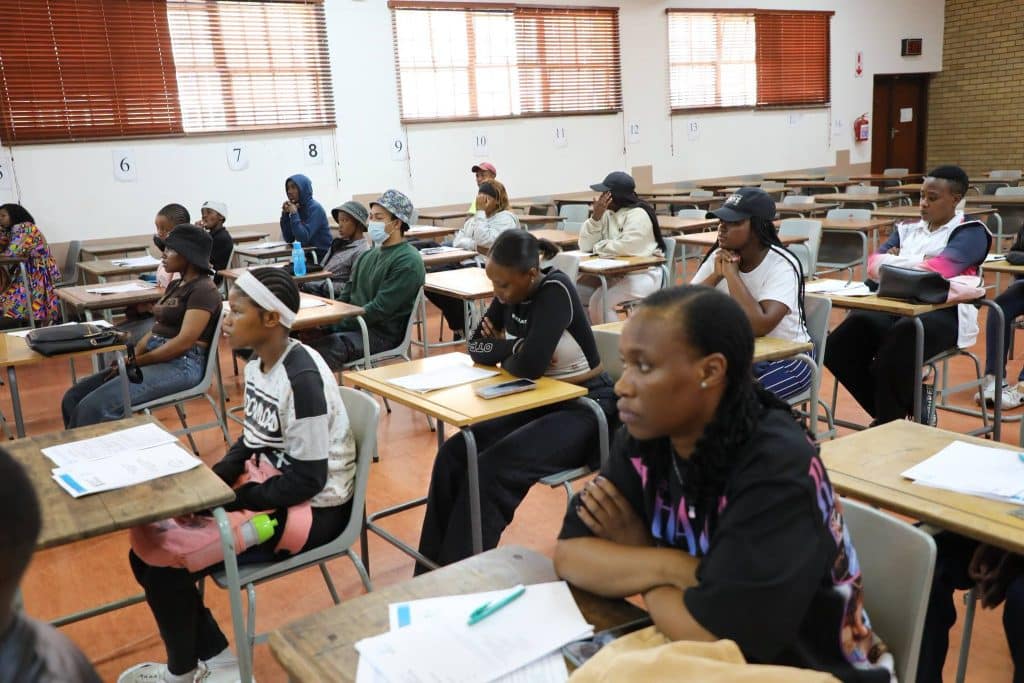
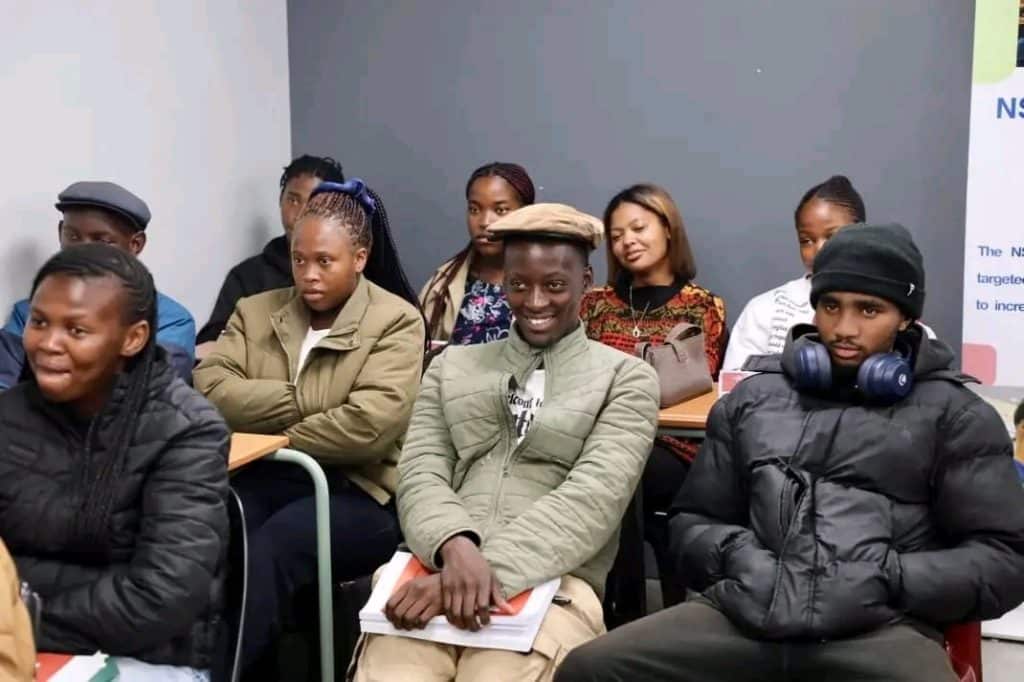
As part of the rollout, NSF in partnership with PAICTA hosted a two-day induction programme for learners across Queenstown, Alice, and East London from 7–8 April 2026. The induction sessions formed a critical foundation for the programme, ensuring that beneficiaries clearly understand their roles, expectations, and the opportunities ahead.
The induction was led by NSF Project Manager, Muzi Zulu, who provided a comprehensive overview of the NSF, how it funds skills development initiatives, and what is expected from beneficiaries throughout the programme. He also addressed key administrative and compliance matters, including factors that may lead to stipend delays, emphasising the importance of accountability and commitment from the outset.
“Your role is to learn, develop your skills, and gain practical work experience that will position you for meaningful participation in the economy,” said Zulu. “This programme is not just about training, but about preparing you for real opportunities in the ICT sector.”
The initiative is expected to have a significant impact, particularly for young people from rural and under-resourced communities, by opening doors to high-demand careers in the digital economy.
Beneficiaries expressed optimism about the life-changing potential of the programme. Sindile Ludude highlighted the importance of access to such opportunities:
“Coming from a rural area, opportunities like this are rare. This programme gives me hope that I can build a career in IT and support my family.”
Mali Mnguni emphasised the broader community impact:
“With the skills we will gain here, we can go back and uplift our communities. This opportunity is not only changing my life, but it has the potential to change many others.”
Through initiatives like this, the NSF and PAICTA continue to demonstrate their commitment to developing a skilled workforce, reducing unemployment, and creating sustainable pathways for young South Africans to thrive in the digital age.
As the induction concluded, what remained was more than just orientation, it was a shift in mindset. In rooms filled with ambition from Queenstown, Alice, and East London, a new generation of digital pioneers began to take shape. Through the continued partnership between the NSF and PAICTA, this initiative is not just building skills, it is engineering possibility, rewriting rural narratives, and proving that the future of South Africa’s digital economy will not be imported, but grown, coded, secured, and led from within.