By Honest Sihlango
South Africa’s future economic growth depends heavily on a skilled, capable, and industry-ready workforce. At the centre of this effort is sustained investment in education and training. Through an investment of R64.6 million, the National Skills Fund (NSF) is supporting meaningful skills development at King Sabata Dalindyebo (KSD) TVET College through the KSD TVET College Capacity Building and Occupational Programmes Phase III project.
The initiative is aimed at equipping young people with practical skills, workplace experience, and industry-relevant qualifications that respond directly to labour market demands.
Over a three-year period, the programme will benefit 588 learners. Beyond funding, the project represents an investment in human potential, institutional development, and creating pathways to employment and economic participation for young South Africans.
The partnership between the NSF and KSD TVET College is strengthening occupational training and artisan development while also improving lecturer capacity, workplace-based learning opportunities, and access to modern training resources. By addressing critical skills shortages and supporting both learners and educators, the programme contributes towards building a workforce that can support South Africa’s social and economic priorities.
The project focuses on improving the quality of training and employability through targeted interventions across several occupational programmes.
A major component of the programme is Work Integrated Learning (WIL), which received an allocation of R30.9 million to support 300 beneficiaries. The intervention seeks to bridge the gap between classroom learning and workplace experience by placing students in real working environments where they gain practical exposure relevant to their fields of study. WIL remains an important component in preparing learners for employment and improving their prospects of entering the labour market.
The NSF investment also includes learnership programmes benefiting 220 learners through a budget allocation of R12.4 million. These structured programmes combine theoretical learning with workplace experience, enabling beneficiaries to gain practical competencies and nationally recognised occupational qualifications.
To support artisan development, the project allocated R6.1 million towards 30 apprenticeship opportunities in trades such as Electrical, Diesel Mechanic, and Plumbing. Although training has not yet commenced due to accreditation-related matters, efforts are underway to resolve the challenges, with a change request already submitted to support implementation.
Recognising the importance of institutional development, the NSF has further invested in staff development and accreditation, benefiting 38 college personnel through a budget allocation of R3.5 million. The intervention aims to strengthen teaching and learning through lecturer upskilling and professional development.
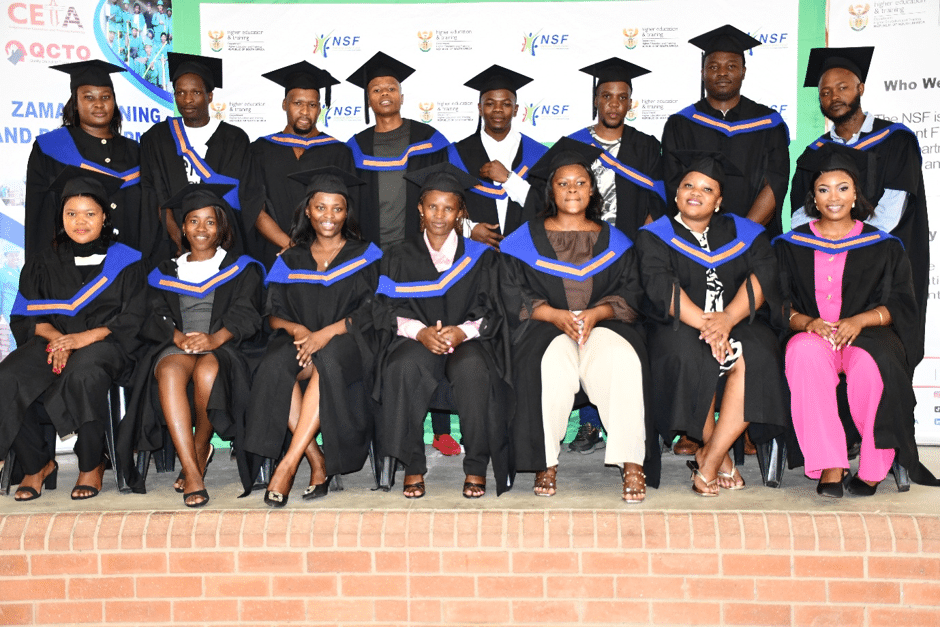
As part of these efforts, several lecturers have already completed specialised training and certification programmes. Three lecturers were trained and certified in Basic Fashion Design, while five lecturers completed Chef Artisan ARPL training and certification, improving their ability to deliver quality occupational programmes and practical instruction.
The programme has already recorded encouraging progress in learner outcomes. Of the approved beneficiaries, 457 learners have successfully completed their training, while 14 remain active in the programme. In Business Studies, 194 learners completed training out of 200 approved participants, with only six dropouts recorded. Within the Work Integrated Learning Engineering stream, 85 learners completed training, while 14 remain active. In addition, 167 learners successfully completed learnerships, reflecting the programme’s growing contribution to skills development and labour market readiness.
The impact of the NSF-funded programme at KSD TVET College is reflected in the experiences of beneficiaries whose lives have changed through access to skills development opportunities.
For Bread and Flour Confectionery beneficiary Khanyo Dzingwa, the programme became a stepping stone towards entrepreneurship and financial independence. After successfully completing her training, she established her own baking business, using the skills gained through the programme to build a sustainable livelihood.
“Before joining the programme, I only had a passion for baking, but no formal training or confidence to turn it into a business. Through the skills I gained, I learned professional baking techniques, business discipline, and how to produce quality products,” she said.
Today, she supplies baked goods within her community and hopes to expand her business into a recognised brand that can create opportunities for other young people.
“The NSF programme gave me more than a qualification, it gave me the confidence to believe in my dreams and build something of my own,” she added.
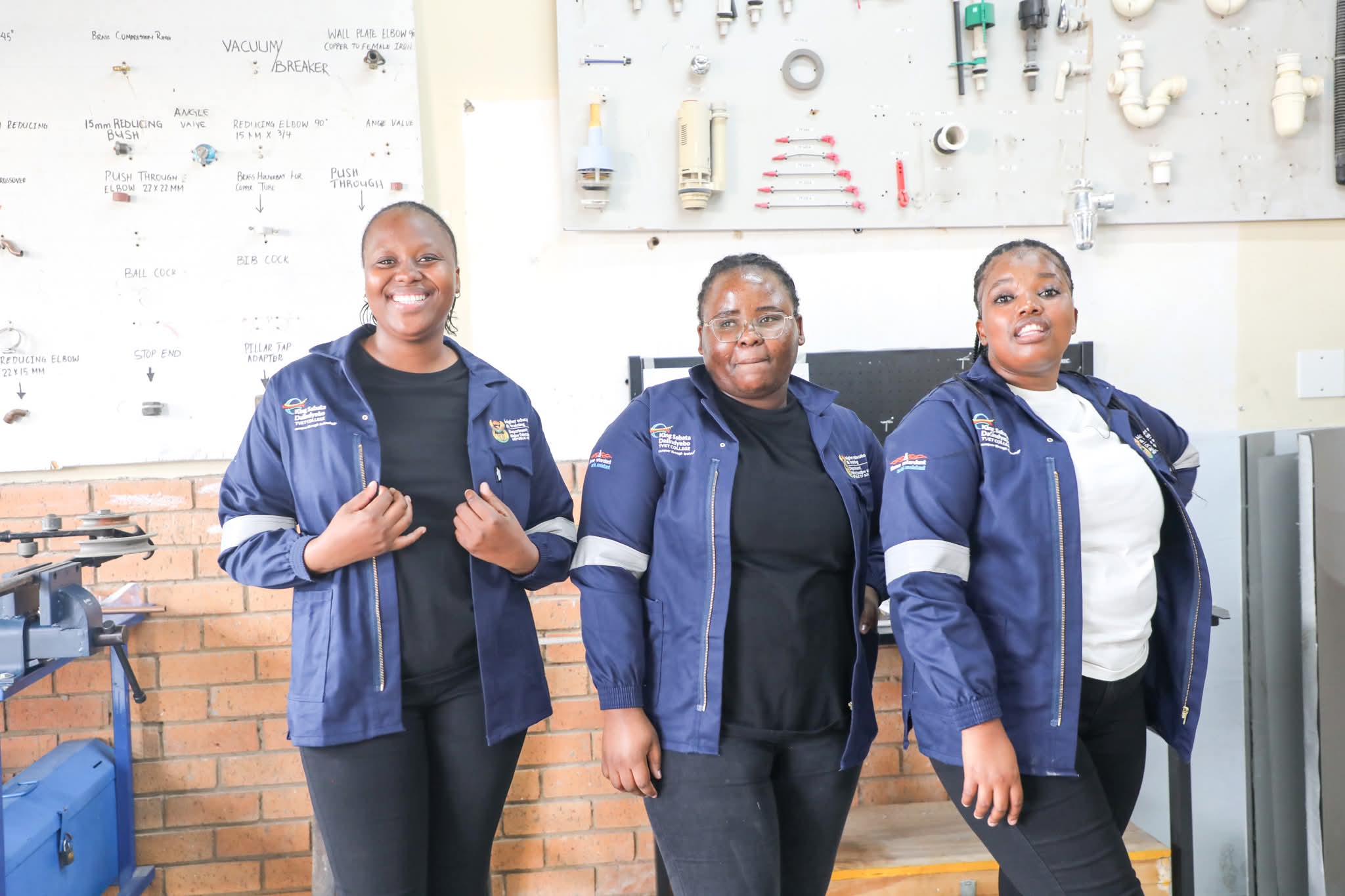
Similarly, Plumbing beneficiary Thembinkosi Madengezana said the programme equipped him with practical skills that are preparing him for a sustainable career within the construction and maintenance sector. Through hands-on training and workplace exposure, he gained valuable knowledge in pipe installations, maintenance systems, and technical problem-solving.
“This opportunity has changed my outlook on life. Plumbing is a skill that will always be needed, and now I feel equipped to build a career for myself and support my family,” he said.
After completing the programme, he hopes to gain further industry experience and eventually establish his own plumbing company to provide services within his community.
Their experiences demonstrate how NSF funding extends beyond training and qualifications. It creates opportunities, supports entrepreneurship, and enables beneficiaries to contribute meaningfully to economic growth and community development.
As beneficiaries transition into workplaces, lecturers strengthen their expertise, and the institution expands its training capacity, the impact of this investment will continue to reach communities and industries in need of skilled talent. In a country facing high levels of unemployment and inequality, the partnership between the NSF and KSD TVET College reflects the important role that skills development plays in creating opportunities, strengthening livelihoods, and preparing young people for meaningful participation in the economy.