By Denira Gounden
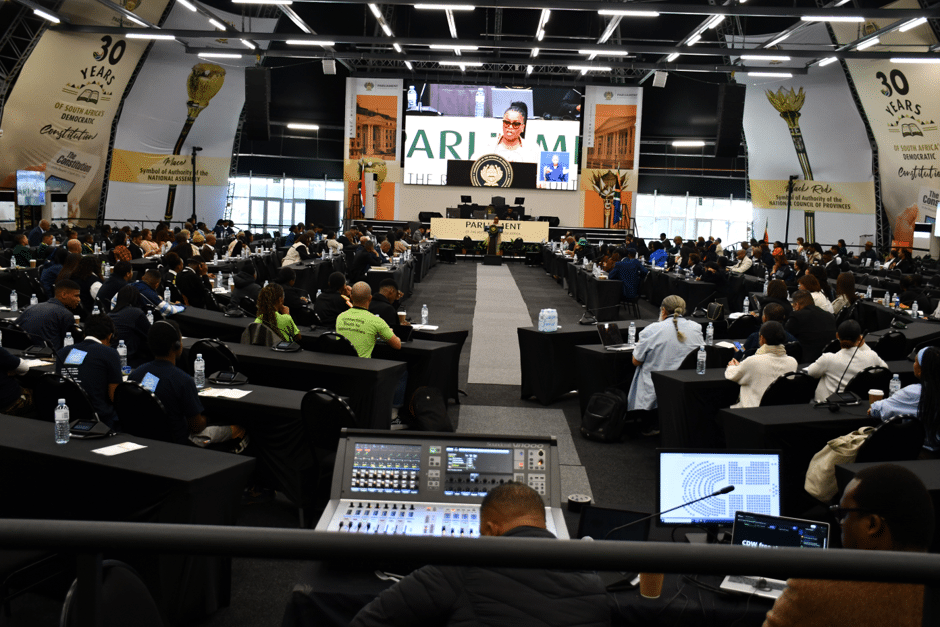
Young people were placed at the centre of discussions on South Africa’s evolving skills landscape during the Parliamentary Youth Skills and Employment Colloquium and Innovation Expo, held at Parliament in Cape Town on 31 August 2026.
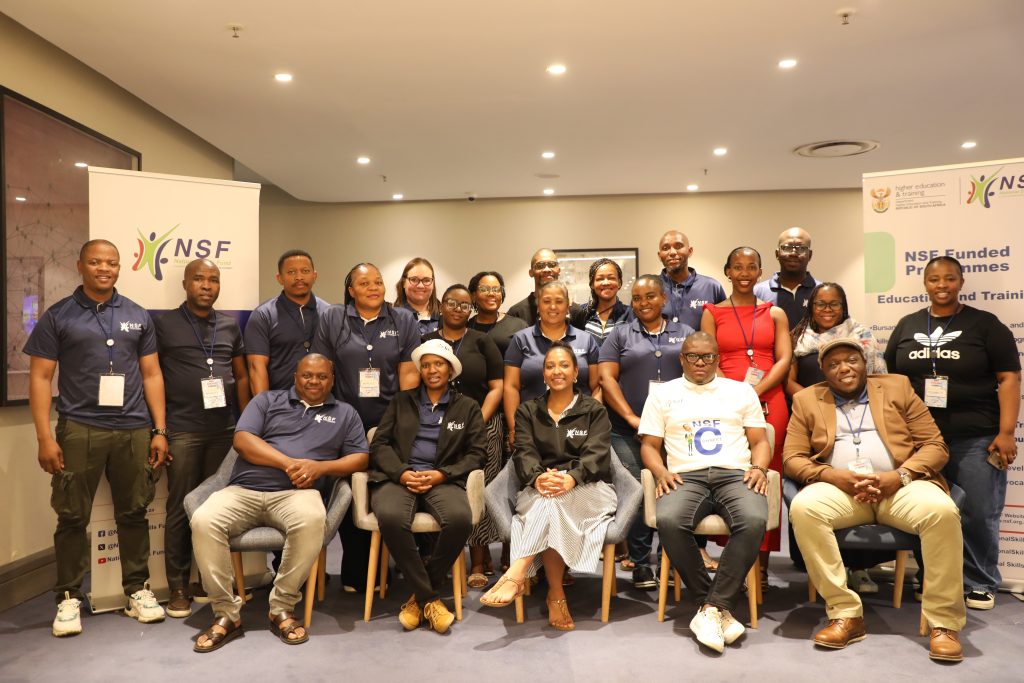
The National Skills Fund (NSF) participated alongside learners, Members of Parliament, academics and government representatives in discussions aimed at strengthening young people’s understanding of the Post-School Education and Training (PSET) system and preparing them for a rapidly changing world of work.
Focusing on economic growth, innovation and challenges facing young people, the colloquium explored youth unemployment, the skills mismatch and the need to better connect education and training with opportunities in the labour market.
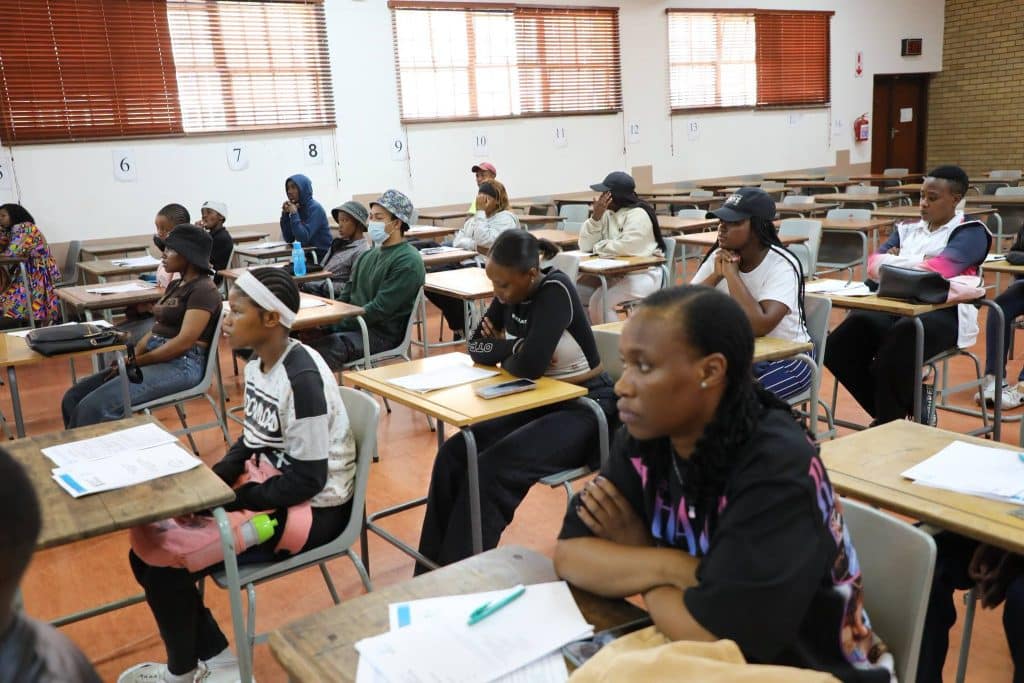
Learners were also provided with an opportunity to engage directly with officials and experts through question-and-answer sessions, creating a platform for young people to raise concerns and better understand government’s interventions to address skills development and youth employment.
Skills development must deliver outcomes
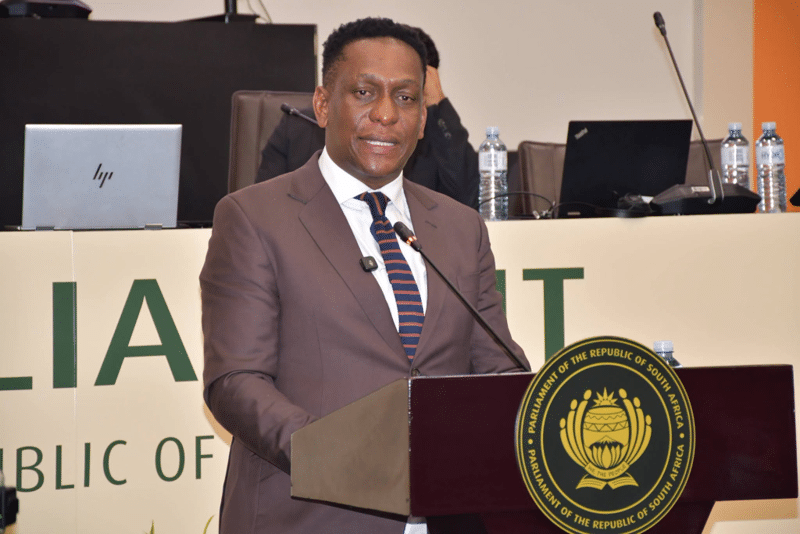
Chairperson of the Portfolio Committee on Higher Education and Training, Hon. Walter Teboho Letsie, highlighted the importance of ensuring that investment in skills development translates into measurable outcomes for young people.
In his address, Letsie referenced the NSF as an important institution within South Africa’s skills development landscape and emphasised the need for stronger partnerships between skills development institutions, universities and industry.
“We will keep demanding that every entity funded to develop skills show outcomes, not intentions. We will keep pushing SETAs and NSF and universities to generate partnerships with industry, not the performance of it,” Letsie said.
The message reinforced the need for skills development interventions to respond to the requirements of the economy and improve opportunities for beneficiaries.
As a catalytic funder within the PSET system, the NSF supports skills development initiatives that contribute towards national priorities and enable South Africans to acquire skills that can improve their prospects for employment, self-employment and participation in the economy.
Addressing barriers to opportunity
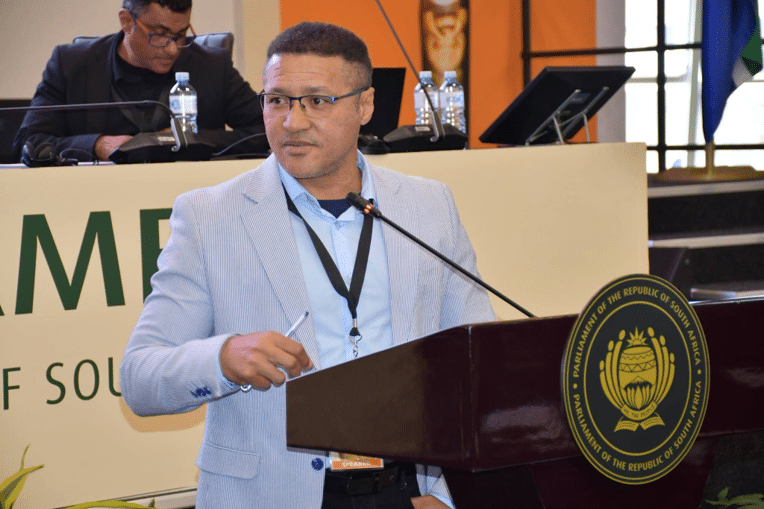
Professor Rouaan Maarman from the University of the Western Cape examined some of the structural factors contributing to youth unemployment and unequal educational outcomes.
Maarman highlighted disparities between well-resourced and disadvantaged schools, noting that access to a wider selection of subjects can influence the educational and career pathways available to learners.
He also emphasised the importance of strengthening the teaching profession through continued professional development and creating an environment in which educators have sufficient time to support learners effectively.
The discussion highlighted the broader need to ensure that young people receive appropriate educational support and guidance before transitioning into post-school education, training and ultimately the labour market.
Building an inclusive skills ecosystem
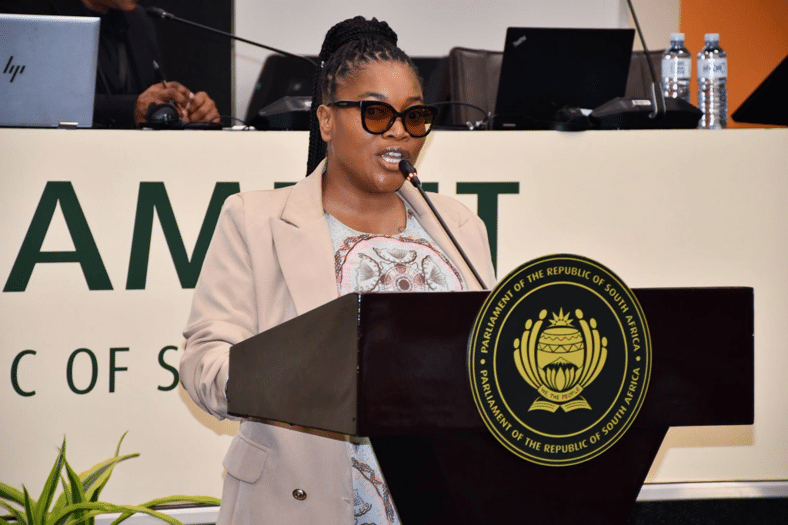
Chairperson of the Portfolio Committee on Women, Youth and Persons with Disabilities, Ms Tshehofatso Chauke-Adonis, encouraged learners to recognise their potential to contribute meaningfully to their communities and South Africa.
“You will be the custodians of information, you will be the custodians of power, you will be the custodians of driving excellence in your communities,” Chauke-Adonis told learners.
She encouraged young people to pursue education and training while identifying challenges within their communities that could be addressed through relevant skills, innovation and entrepreneurship.
The colloquium reinforced the importance of building an inclusive skills development ecosystem that responds to issues of gender, disability and equity while preparing young people for opportunities emerging from an increasingly digital economy.
For the NSF, participation in platforms such as the Parliamentary Youth Skills and Employment Colloquium provides an important opportunity to engage with young people and contribute to national discussions on strengthening pathways between skills development and economic participation.