By Nndivhaleni Mukwevho
The landscape of economic participation in KwaZulu-Natal is shifting for the better as the National Skills Fund (NSF) recently successfully concluded a vibrant, three-day graduation roadshow across the province. Marking a monumental milestone in vocational training, the ceremonies honoured young men and women who have transitioned from eager trainees into fully qualified, trade-tested artisans.
Backed by a R19,060,548.75 grant funding investment, the Zama Training and Development project successfully upskilled unemployed youth from vulnerable communities. The initiative delivered high-impact, nationally recognised training in high-demand trades across the King Cetshwayo, Ugu and Harry Gwala District Municipalities.
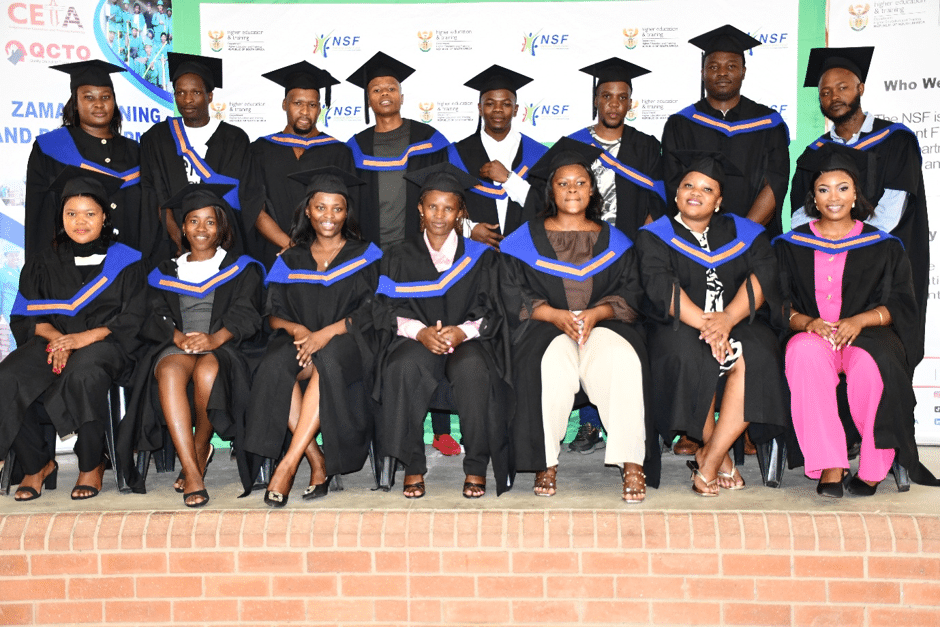
The extensive 36-month initiative yielded exceptional results, boasting an impressive 78% completion rate. In total, 65 learners successfully passed their rigorous trade tests to earn formal Quality Council for Trades and Occupations (QCTO) certification. These 65 newly minted professionals took centre stage during a series of graduation ceremonies rolled out from 21 to 23 September 2026.
The roadshow kicked off on Monday, 21 September, at the Bhongwani Youth Centre in Kokstad (Harry Gwala District), where 17 bricklaying artisans-including 11 women-officially graduated.
The celebratory train then moved forward, culminating in a grand closing ceremony on Wednesday, 23 September in Port Shepstone, which marked the second major graduation event covered in the coastal town. Across the Ugu District events, 17 plumbing graduates and 14 bricklaying graduates from Ezinqoleni were officially honoured. An additional 17 plumbing graduates were produced at the Nsileni site in the King Cetshwayo District, bringing the entire provincial project to a successful, empowering close.
These graduation ceremonies are more than just formal events-they are proof of a working mandate to build capacity, shift mindsets, and curb youth unemployment. The technical trades are no longer viewed through a restrictive, old-school lens, but rather as the backbone of future innovation.
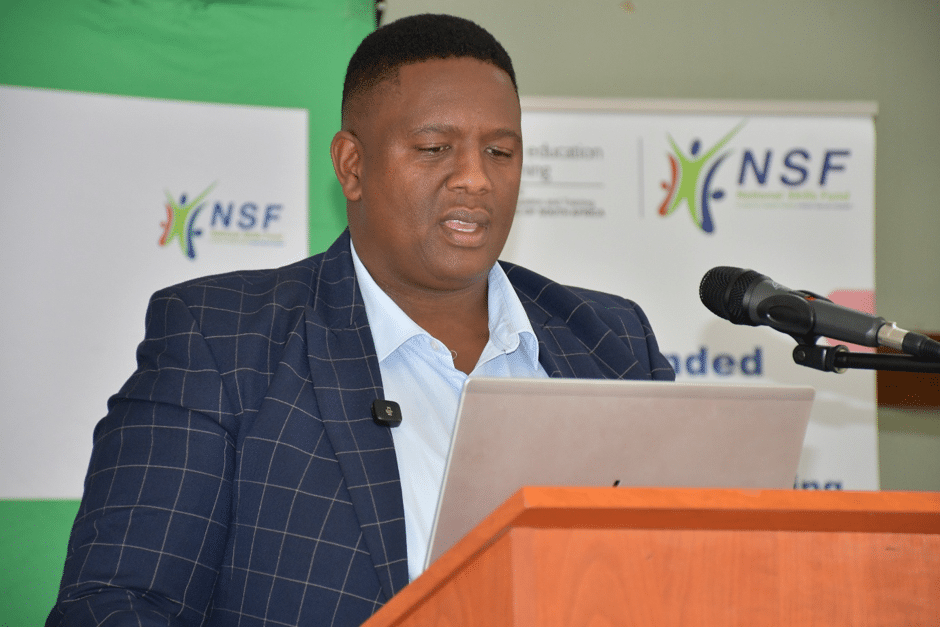
Reflecting on the successful rollout of these projects, NSF Assistant Director and KwaZulu-Natal Project Manager, Buntu Msengi, highlighted how the perception of trades is rapidly evolving.
“Being an artisan is a flex,” said Mr Buntu Msengi. “For a long time, many people viewed artisan work simply as hard labour. However, as the National Skills Fund, we look beyond that perception and recognise the important role artisans play in the future of our nation. We are moving into an era of advanced artisan development and technological advancement, making it increasingly important to build and sustain a highly skilled workforce that can contribute meaningfully to the country’s economy.”
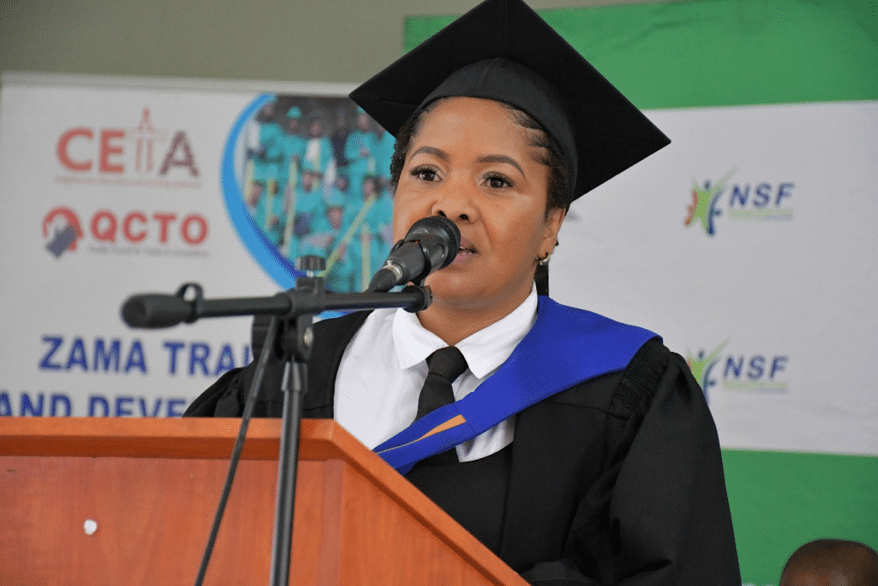
True to the project’s core design, gender inclusion stood out as a massive triumph. The human face of this success was best captured by Ms Nokuphila Mbuyazi, a proud graduate from the Bhongwani Youth Centre cohort. Speaking on behalf of her peers, she spoke passionately about breaking gender stereotypes and proving that resilience overrides outdated societal expectations.
“Today is a proud and memorable day for us as we celebrate the dedication, perseverance and hard work we have shown over the past three years. We are deeply grateful to the National Skills Fund for providing us with this life-changing opportunity. Many people doubted that women could succeed in trades such as bricklaying, but today I stand before you as a qualified bricklayer. The journey was not easy, particularly for young women who were often perceived as too soft for artisan training. However, we remained committed, worked hard and persevered until the very end,” said Mbuyazi.
Delivered on time and strictly within budget, this project serves as a highly scalable model for future youth development initiatives. By prioritising high-demand technical trades like plumbing and bricklaying, the NSF continues to directly bridge the gap between structural unemployment and local economic capacity.
As these 65 qualified artisans step out into the industry, they carry with them more than just certificates, they carry the tools to build their own enterprises, uplift their families, and meaningfully reshape the economic fabric of KwaZulu-Natal.