
By Busisiwe Fobose
The critical role of Community Education and Training (CET) colleges in providing a second chance to young people who have not completed matric came into sharp focus during a recent Parliamentary oversight visit in Mpumalanga.
Members of the Portfolio Committee on Higher Education and Training visited Mpumalanga Community Education and Training (CET) College on 7 August 2026 as part of their oversight programme to assess the institution’s operations, governance and capacity to support learners.
The engagement highlighted the significant education and employment challenges facing young people, particularly in township communities. The Committee heard that an estimated eight out of every ten young people in these communities do not have a matric qualification, limiting their prospects for further learning and participation in the labour market.
Discussions focused on the barriers preventing learners from returning to education and progressing towards Level 4 qualifications, which provide an important pathway into further education, training and skills development opportunities.
The Committee noted that unemployment remains particularly high among people without matric, with figures presented during the engagement indicating that approximately 80% are unemployed. It was further highlighted that 28% of unemployed people hold qualifications at TVET college level.
Portfolio Committee Chairperson, Mr Tebogo Letsie, emphasised the importance of strengthening CET colleges as an accessible pathway for people who have left the formal schooling system without completing matric.
“If you look at unemployment statistics in South Africa, you will realise the biggest problem we have is with people who don’t have a matric qualification. The unemployment numbers for them go to 80%,” said Letsie.
“If you find people in townships, chances are eight out of ten of them don’t have matric. This means our CETs must bridge the gap for these people, at least for them to have Level 4.”
Beyond learner access, the oversight visit examined the institutional realities facing Mpumalanga CET College, including governance, infrastructure, teaching and learning, enrolment and funding.
The Committee heard that the College has largely operated from school premises while navigating challenges associated with underfunding and low enrolment. Despite these constraints, the institution has achieved two clean audits during the past three financial years, demonstrating progress in financial governance and accountability.
The visit also brought into focus the need for stronger coordination across the Post-School Education and Training (PSET) system to ensure that CET colleges are adequately supported and better positioned to respond to the education and skills needs of communities.
The Committee called for strengthened support from the Department of Higher Education and Training and its entities, including greater collaboration between the National Skills Fund (NSF) and Sector Education and Training Authorities (SETAs) to support relevant skills programmes and improve the visibility of the CET sector.
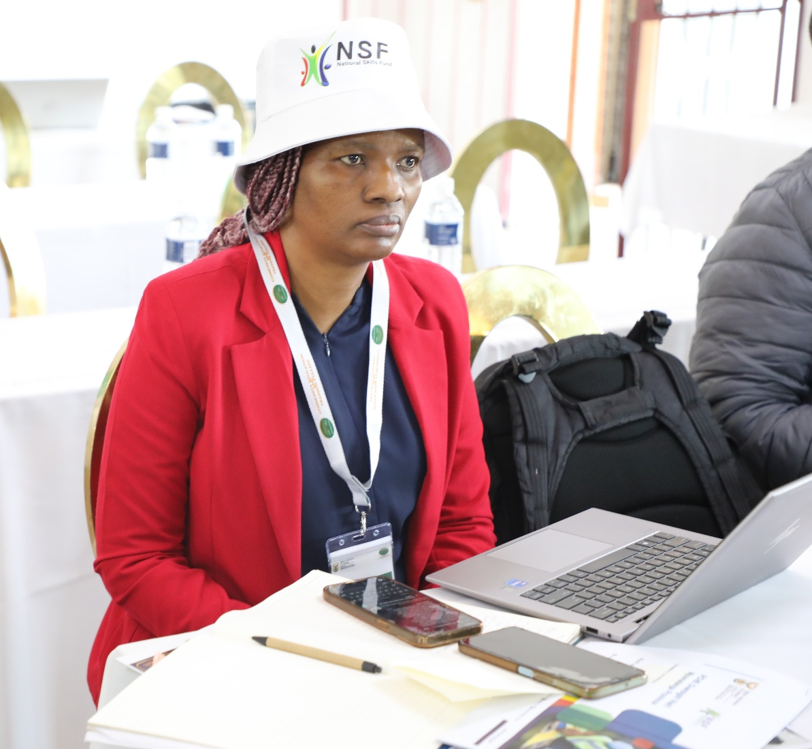
As an entity of the Department of Higher Education and Training, the NSF contributes to this broader skills development ecosystem by supporting interventions that expand access to education, training and skills development opportunities.
Strengthening pathways to Level 4 is particularly important for people who have not completed matric, as it provides an opportunity to re-enter learning, progress to further education and training, acquire relevant skills and improve their prospects for meaningful economic participation.
The Mpumalanga oversight visit reinforced the importance of an integrated PSET system in which CET colleges, TVET colleges, the Department, the NSF, SETAs and other stakeholders work together to ensure that people who have fallen outside traditional education pathways are not left behind.