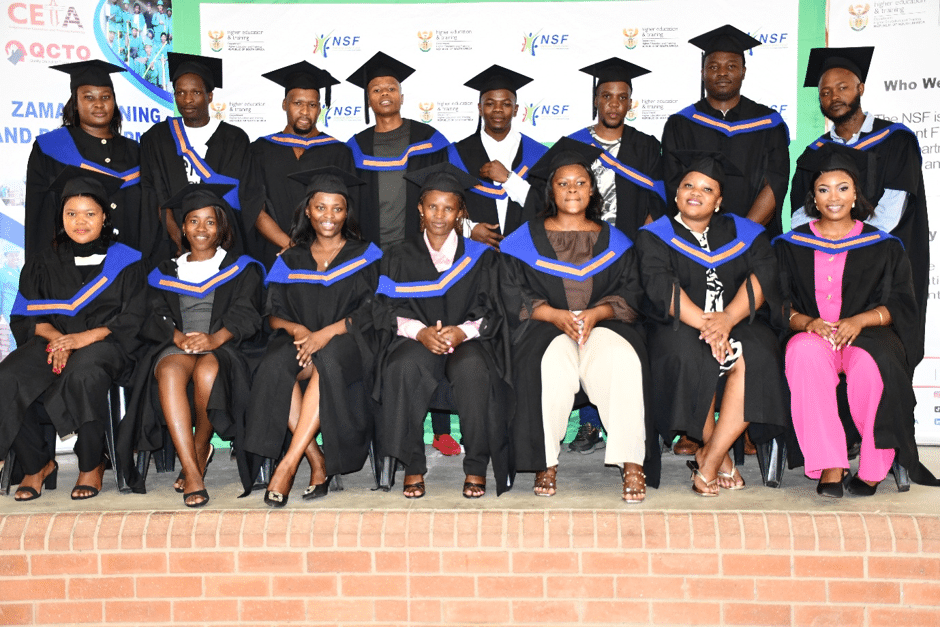
The National Skills Fund (NSF), under the Department of Higher Education and Training, approved a combined grant funding allocation of R68 Million to the East Cape Midlands TVET College and Port Elizabeth (PE) TVET College in the Eastern Cape for the implementation of the TVET Capacity Building Programme Phase III (2020–2024 cycle). This initiative targeted 1 031 beneficiaries, primarily NEET youth within the Nelson Mandela Bay Metropolitan Municipality, with including a 2% allocation for people living with disabilities and 10 lecturers supported for staff development.
As part of its ongoing commitment to addressing critical skills shortages and promoting sustainable employment, the NSF Senior Management team responsible Skills Development Implementation (SDI) conducted strategic site visits to East Cape Midlands TVET College and Port Elizabeth TVET College from 29 to 31 October 2025. These visits formed part of Phase III of the NSF programme, launched in 2021 with a total investment of R68 million.
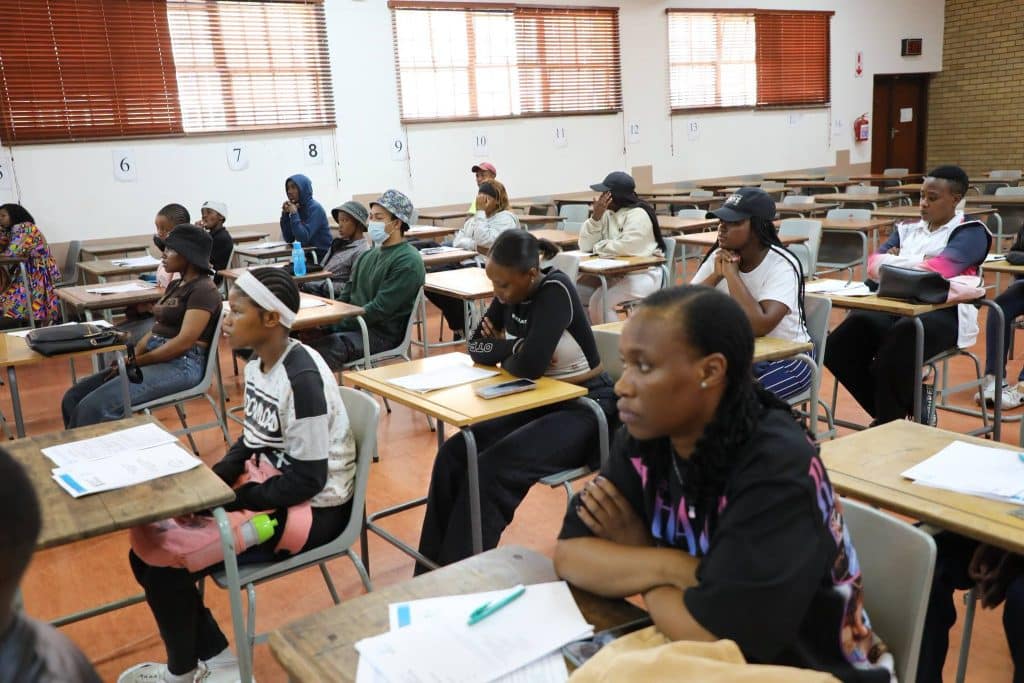
During the visits, and in line with the NSF’s commitment to empowering communities through skills funding, the NSF SDI team monitored progress on funded interventions and engaged college leadership to assess the impact of programmes designed to equip youth and communities with practical, industry-relevant skills. At East Cape Midlands TVET College, the NSF supported a range of initiatives including Learnerships in Early Childhood Development, Wholesale & Retail Operations, and End-User Computing; Apprenticeships in Electrical, Welding, Fitting, and Motor Mechanics; and Skills Programmes such as Pastel Accounting, ICDL, and Welding Skills Training.
Similarly, the partnership with Port Elizabeth TVET College delivered a diverse portfolio of programmes aimed at bridging skills gaps and enhancing employability. These included Learnerships in Bookkeeping, Early Childhood Development, End-User Computing, and Professional Cookery; Apprenticeships in Electrical, Welding, Fitting & Turning, and Motor Mechanics; and Skills Programmes such as Clothing Production, Furniture Making, Agriculture, and various short artisan courses.
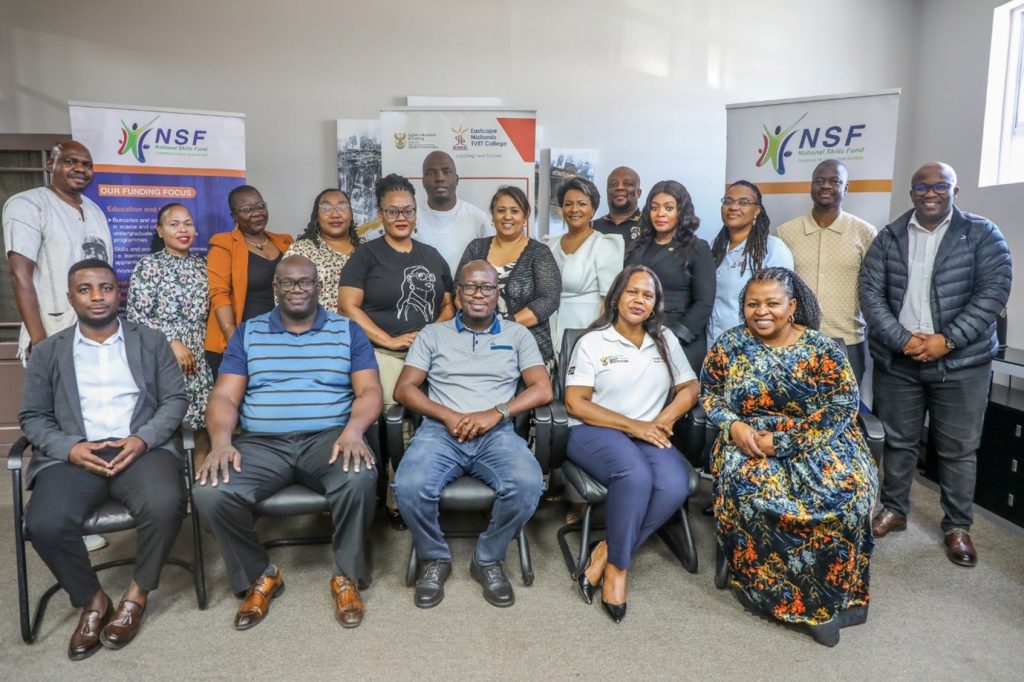
On Day Two of this strategic visit, the NSF Senior Management team convened at PE TVET College’s Kemsley Campus to review NSF programmes and projects progress and share insights for continuous improvement. This collaborative engagement reinforced the importance of leadership alignment, transparent evaluation, and a shared commitment to delivering measurable value in support of South Africa’s socio-economic development.
The NSF SDI team continues to play a pivotal role in overseeing the effective delivery of NSF funded programmes and projects. Their responsibilities include implementing key initiatives such as bursaries, learnerships, and workplace-based training, while fostering partnerships with SETAs, training providers, and industry stakeholders. The team also ensures programme compliance and accountability, promoting inclusivity, and consistently aligns all NSF initiatives with the National Skills Development Plan (NSDP) 2030.

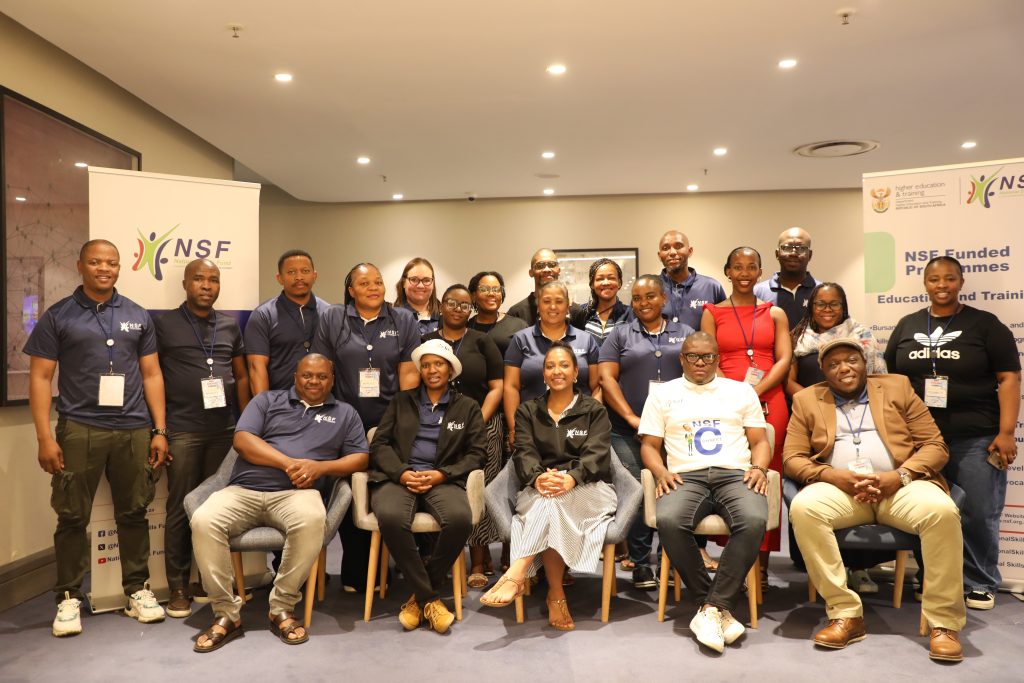
The National Skills Fund leadership overseeing Skills Development Implementation (SDI), Strategy, Innovation and Planning (SIP) and Organisational Performance and Reporting (OPR) at Port Elizabeth College (Kemsley Campus) in the Eastern Cape.
Day Three of the visit focused on integrated planning for impact, bringing together the NSF SDI team with the Strategy, Innovation and Planning (SIP) and Organisational Performance and Reporting (OPR) units also from the NSF at PE TVET College to align priorities, coordinate activities, and share progress updates. This collaborative engagement ensured that infrastructure development, programme delivery, and performance reporting are integrated to drive the NSF’s strategic objectives.
Together, the SIP, OPR, and SDI teams of the NSF form a cohesive cycle of planning, execution, and performance improvement. SIP sets the strategic vision and aligns plans with national priorities, OPR monitors progress and ensures accountability, while SDI translates strategy into action through impactful training programmes and projects. This synergy ensures that the NSF operates efficiently, remains aligned with national goals, and continues to strengthen South Africa’s skills development system.
By Tshepang Monyake