By Themba Ndlovu
Turning skills development funding into meaningful opportunities for South Africans requires more than allocating resources. it requires strong governance, effective monitoring and coordinated implementation to ensure that every funded intervention delivers the impact for which it was intended.
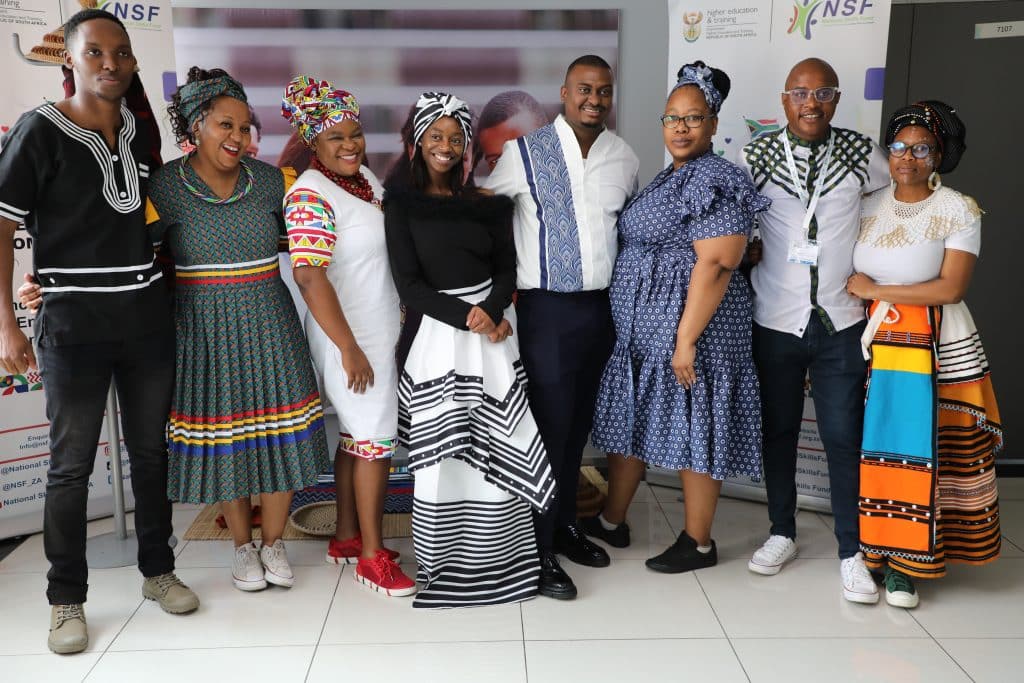
Strengthening these foundations was at the centre of the National Skills Fund’s (NSF) Skills Development Implementation (SDI) governance workshop, held in Rustenburg from 18 to 20 August 2026.
The three-day workshop brought together the NSF’s Skills Development Implementation leadership and officials, alongside relevant internal and external stakeholders, to strengthen governance practices, improve coordination and address challenges affecting the implementation of NSF-funded skills development programmes.
The engagement provided an important platform for officials responsible for implementing and overseeing projects to examine how the NSF can strengthen its systems throughout the project lifecycle — from implementation and monitoring to compliance, accountability and ultimately beneficiary outcomes.
Strengthening governance to improve delivery
The NSF supports skills development interventions across South Africa, with funded programmes implemented through various institutions and skills development providers. Effective oversight of these projects is essential to ensuring that public resources translate into quality training and meaningful opportunities for beneficiaries.
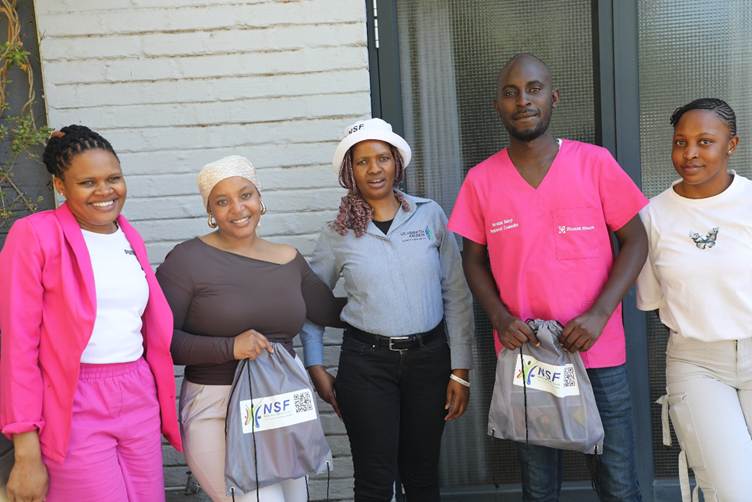
During the workshop, discussions focused on strengthening governance and improving coordination between the different functions involved in delivering and overseeing NSF-funded interventions.
The engagement also provided officials with an opportunity to reflect on implementation challenges, identify areas requiring improvement and strengthen a common understanding of the standards expected when managing NSF-funded projects.
Chief Director: Skills Development Implementation, Ms Kgaogelo Hlongwane, emphasised that effective governance must ultimately support the NSF’s ability to deliver measurable results for beneficiaries. “Our responsibility does not end when funding is allocated. We have to follow that investment through implementation, understand what is happening on the ground and ensure that the intended beneficiaries ultimately receive the opportunities the funding was designed to create,” said Ms Hlongwane.

She highlighted the importance of identifying implementation challenges early and strengthening accountability throughout the lifespan of funded projects.
From governance to impact on the ground
The workshop reinforced the importance of connecting governance processes with what happens at project level.
For the NSF, monitoring funded interventions provides an opportunity not only to assess compliance but also to identify operational challenges, engage implementing partners and determine whether programmes are progressing towards their intended outcomes.

This approach is particularly important because skills development projects operate in different environments and can encounter challenges ranging from learner administration and training infrastructure to programme delivery, workplace exposure and relationships with implementing partners.
The workshop therefore encouraged greater collaboration and information-sharing between teams so that challenges identified during implementation can be addressed more effectively.
Ms Hlongwane said stronger internal coordination would enable the NSF to provide more effective oversight and support to projects. “When our teams are aligned and our governance systems are working effectively, we are better positioned to identify risks, support implementation and hold implementing partners accountable. Ultimately, that must translate into better outcomes for the learners and communities that our programmes are intended to serve,” she said.
Building a stronger culture of accountability
The Rustenburg engagement also reinforced the responsibility that accompanies the management of public skills development resources.
Strong governance enables the NSF to track implementation, identify risks, strengthen accountability and ensure that funded interventions remain focused on their approved objectives.
Importantly, these processes should not be viewed simply as administrative requirements. effective governance protects both public resources and the interests of beneficiaries by helping ensure that projects deliver the training, qualifications and opportunities for which funding was approved.
The workshop concluded with a renewed emphasis on translating discussions into improved implementation across NSF-funded programmes.
As officials continue monitoring projects across the country, the lessons emerging from the Rustenburg workshop are expected to contribute towards stronger coordination, more responsive project oversight and greater accountability throughout the skills development implementation process.
For the NSF, the ultimate measure of effective governance remains what happens beyond meeting rooms and administrative processes: whether funded programmes work, whether learners complete their training and whether public investment creates meaningful pathways towards employment, entrepreneurship and economic participation.