By Trevor Khuzwayo
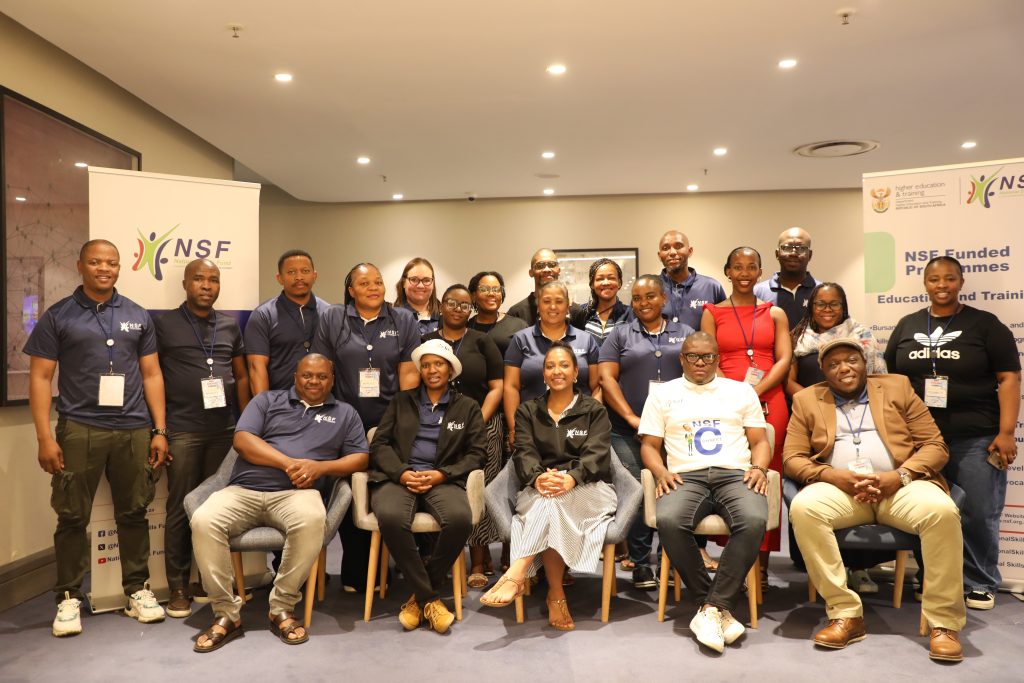
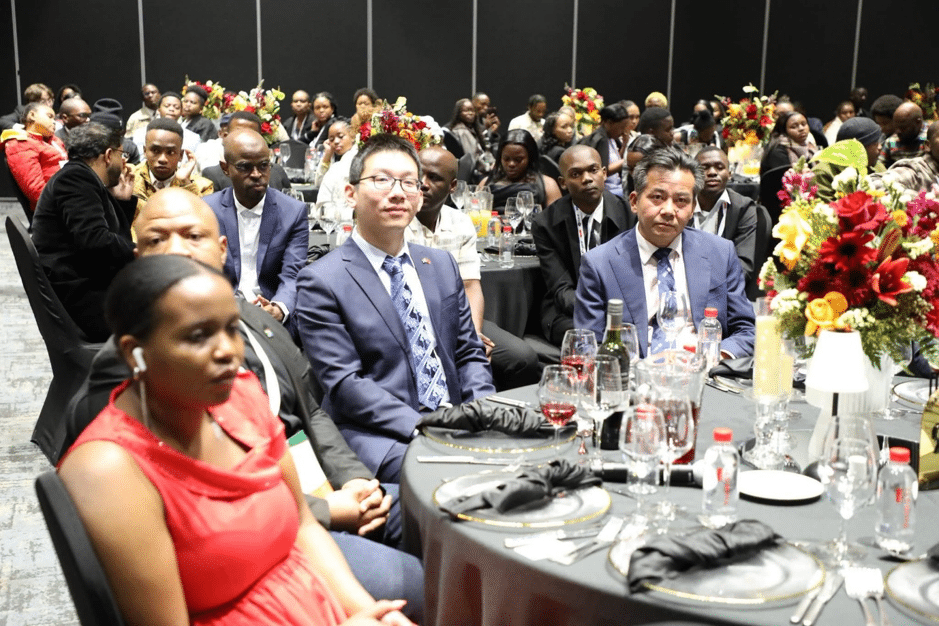
South Africa’s next generation of globally trained graduates is preparing to take its place on the international academic stage, as the Department of Higher Education and Training (DHET) recently welcomed the 2026 International Scholarships cohort during the Pre-Departure Orientation Programme held at the Radisson Blu Hotel, OR Tambo.
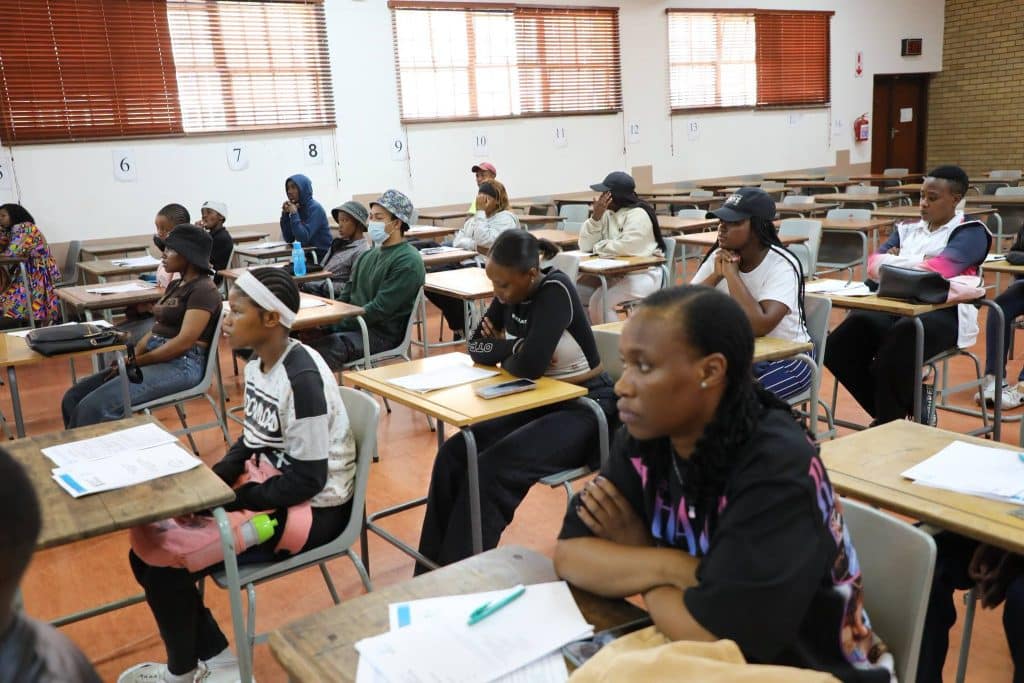
The week-long programme brought together scholarship recipients ahead of their departure to international institutions, providing them with essential information and support to prepare for studying and living abroad. It also provided an opportunity to recognise and celebrate their achievements as they prepare to represent South Africa internationally.
Among the 2026 cohort are beneficiaries supported through the National Skills Fund (NSF), whose investment in the International Scholarships Programme continues to expand opportunities for South Africans to acquire scarce and critical skills through international education and training.
The International Scholarships Programme is implemented by DHET to help address critical skills shortages within South Africa’s Post-School Education and Training (PSET) sector. Since the programme’s inception in 2012, the NSF has been its sole funder, supporting priorities that include the development of graduates in scarce and critical skills fields, postgraduate training, equity, the development of future academics and international academic mobility.
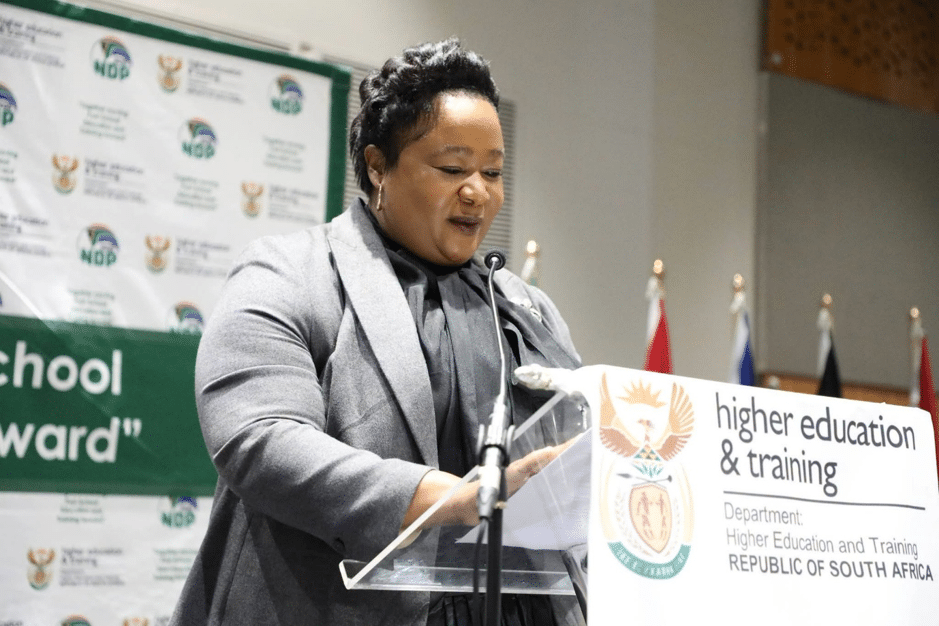
Ms Conny Makhabane, Director: NSF Bursaries, who was among the speakers at the event, said the Fund’s continued investment in international scholarships reflects its commitment to ensuring that South Africans have access to opportunities that build the skills the country needs for the future.
“Our investment in international scholarships is ultimately an investment in South Africa’s human capital. We are creating opportunities for talented South Africans to gain world-class knowledge, skills and international exposure in areas that are critical to our country’s development. More importantly, we want beneficiaries to return equipped to contribute meaningfully to our economy, our institutions and the development of the Post-School Education and Training sector.”
Makhabane said the programme also contributes to broadening access to international education while strengthening equity and transformation, particularly for beneficiaries from historically disadvantaged backgrounds.
The scale of the programme has grown significantly. From approximately 12 beneficiaries at its inception in 2012, more than 1 200 beneficiaries have been funded to date, with approximately R800 million allocated by the NSF towards international bilateral scholarship agreements facilitated through DHET and the Department of International Relations and Cooperation.
For the 2026/27 scholarship cycle, more than 5 600 applications were received across the Department’s programmes. A total of 222 new beneficiaries were awarded scholarships in 2026, while 812 beneficiaries are currently funded across nine destination countries.
The selection process extends beyond academic achievement, with consideration given to students from historically disadvantaged universities, applicants from historically disadvantaged backgrounds, groups with low participation rates in higher education, and fields of study aligned with national priorities.
Through international partnerships, scholarship opportunities extend to countries including Ireland, Hungary, Russia, Germany, Mauritius and China, with further opportunities involving Switzerland, France, the United Kingdom, Japan, Zambia and Serbia, among others.
The programme is more than an opportunity to study abroad. It represents a broader national investment in building the skills, academic capacity and knowledge required to support South Africa’s long-term development.
This commitment has been further strengthened in 2026 through the approval of the Presidential PhD Programme, a strategic initiative aimed at developing world-class researchers and strengthening South Africa’s research, innovation and higher education capacity. The programme will support doctoral training and international research opportunities in priority areas including artificial intelligence, renewable energy, biotechnology, advanced manufacturing, mining and the just energy transition.
NSF funding also strengthens the PSET sector by supporting internationalisation, developing future academics, building institutional capacity and facilitating the transfer of global knowledge, innovation and best practice to South Africa. The programme advances equity and transformation by widening access to international learning opportunities for historically disadvantaged groups.
As the 2026 scholarship recipients prepare to depart for their respective destinations, they carry with them more than their individual academic ambitions. They represent an investment in a future generation of South African professionals, researchers and academics who can return with knowledge, expertise and international experience to contribute to the country’s development.
Through sustained investment in international scholarships, the NSF continues to support the development of scarce and critical skills required to drive economic growth, innovation and South Africa’s long-term development.