By Nndivhaleni Mukwevho
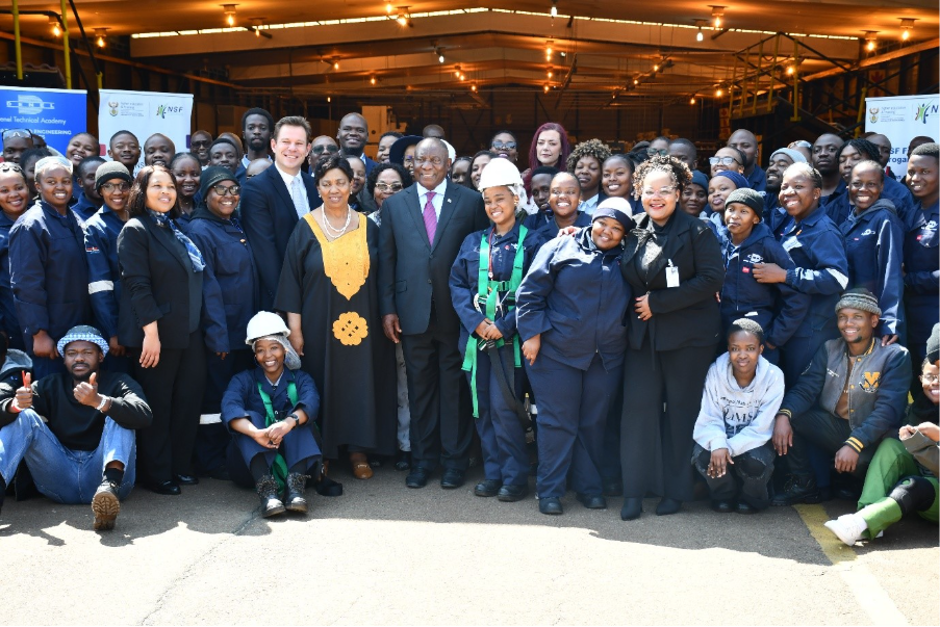
Just four months ago, the futures of hundreds of South Africa’s promising aviation and engineering learners faced signifct disruption. Today, those same young people are training under a secure state partnership, with their progress culminating in a high-profile oversight visit by His Excellency, President Cyril Ramaphosa, to the Denel Technical Academy (DTA) in Kempton Park, Johannesburg.
The presidential visit on Wednesday, 2 September 2026, provided a powerful demonstration of what can be achieved when decisive public-sector intervention, strong governance and strategic partnerships are placed at the centre of skills development.
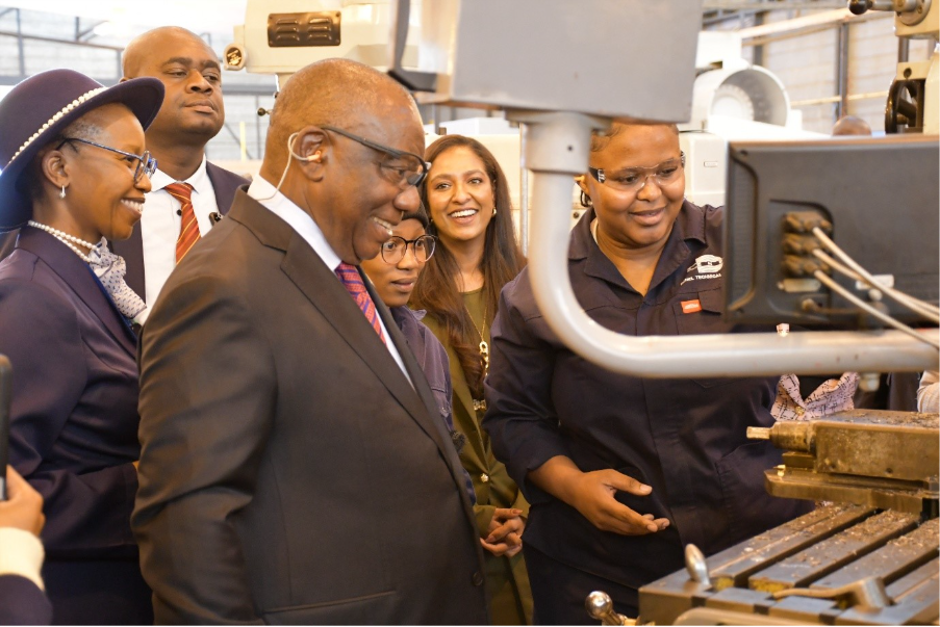
Led on a guided tour by Denel General Manager Ms Zandile Dotwana, the President visited the academy’s facilities and interacted with NSF-funded trainees as they continued their technical development.
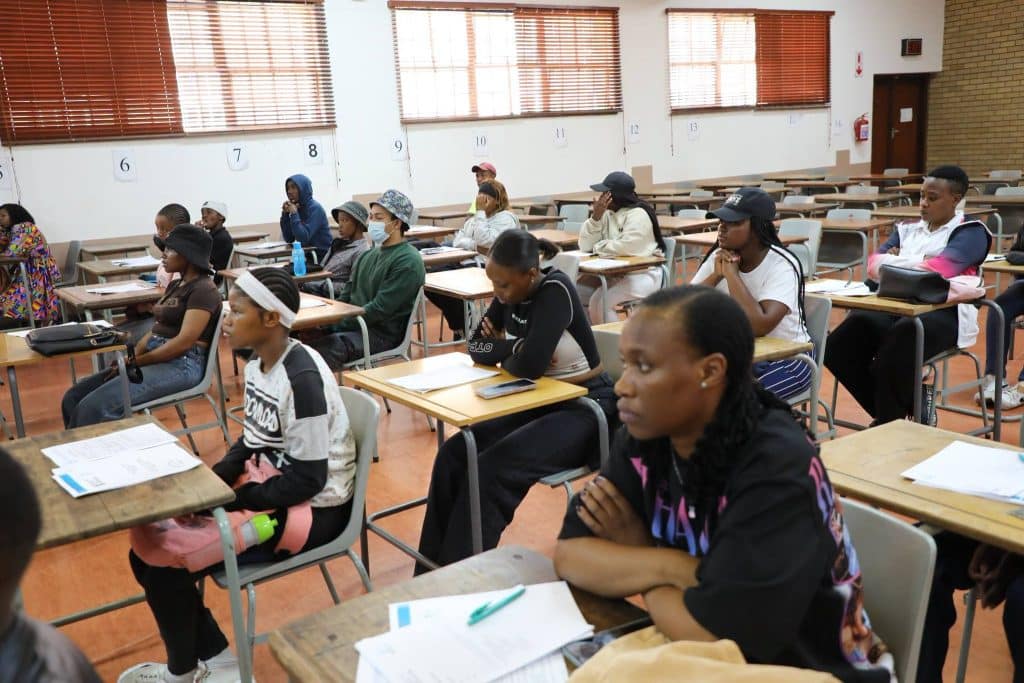
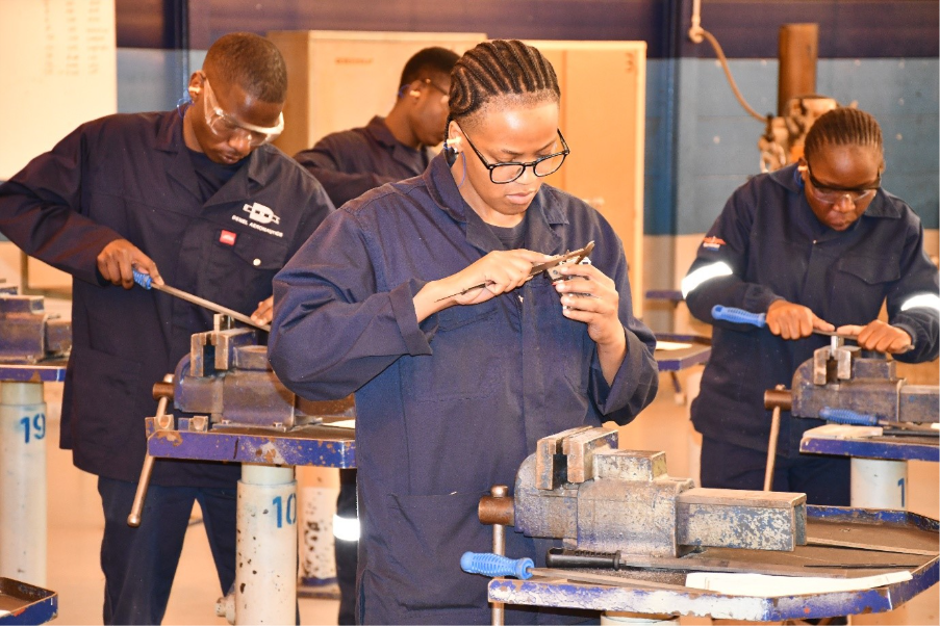
The learners are undertaking competency-based modular training in specialised fields including Aircraft Avionics and Aircraft Mechanics, Aircraft Structural Work, Fitting and Turning, Welding and Electrical Engineering.
The visit placed the young trainees at the centre of a broader national conversation about the importance of technical skills, artisan development and strengthening South Africa’s industrial capabilities.
For the NSF, the President’s presence at the academy was particularly significant because it demonstrated the tangible impact of investing in specialised skills and strategic partnerships.
Reflecting on the presidential visit and the partnership with Denel, NSF Regional Director: Skills Development Implementation, Mr Raymond Masipa, said the occasion demonstrated the importance of creating sustainable pathways between public investment and specialised industry training.
“We are hoping to see how the students interact with the President as he visits the site today. The learners will also showcase some of the work they have been doing so far. We are really hoping for a wonderful day and meaningful interaction between ourselves as the NSF, the Presidency and, most importantly, the learners who are funded by the NSF,” he said.
The NSF’s intervention provides an important example of how strong governance can protect both public resources and the futures of beneficiaries when implementation challenges arise.
Through direct engagement with established training institutions, the NSF has strengthened oversight of the programme while prioritising training continuity, learner welfare and accountability.
The partnership with Denel Technical Academy also aligns with the broader objective of developing highly skilled citizens who can contribute to strategic sectors of the South African economy.
The 761 beneficiaries are now progressing through their training blocks and working towards challenging their national Trade Tests, an important step towards becoming fully certified artisans.
Their journey from disruption to a presidential showcase is a reminder that effective public skills development requires more than financial investment. It requires decisive intervention when challenges arise, accountable partnerships, quality training environments and an unwavering commitment to the people at the heart of the programme.
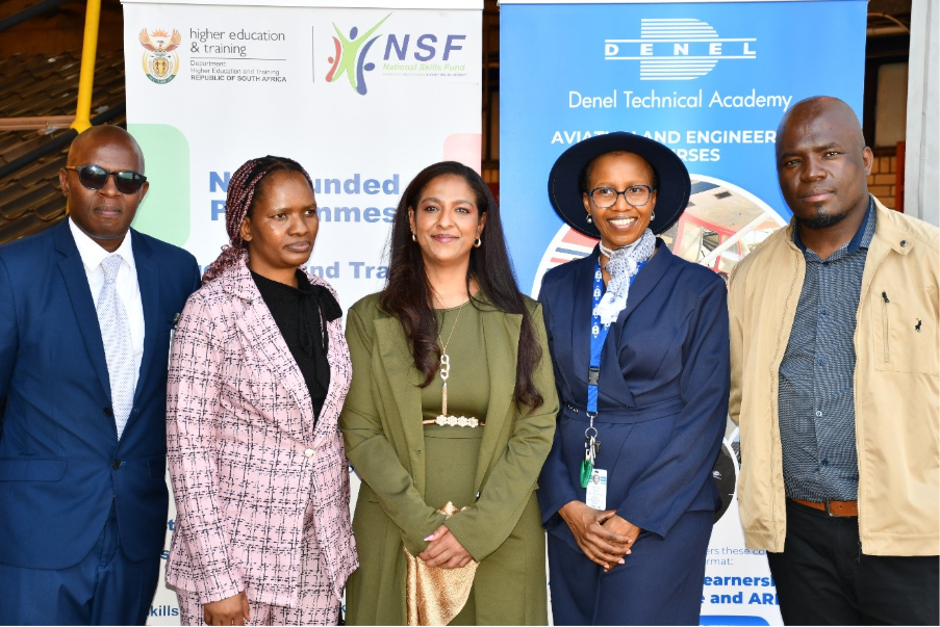
For the National Skills Fund, the successful stabilisation of the programme represents more than the resolution of a crisis. It is a demonstration of how public investment, when backed by strong governance and strategic partnerships, can safeguard opportunities and build a pipeline of world-class technical talent for South Africa.
From crisis to opportunity, the NSF’s intervention has ensured that 761 young South Africans can continue building the skills needed to help shape the country’s aviation, defence and engineering future.