By Trevor Khuzwayo
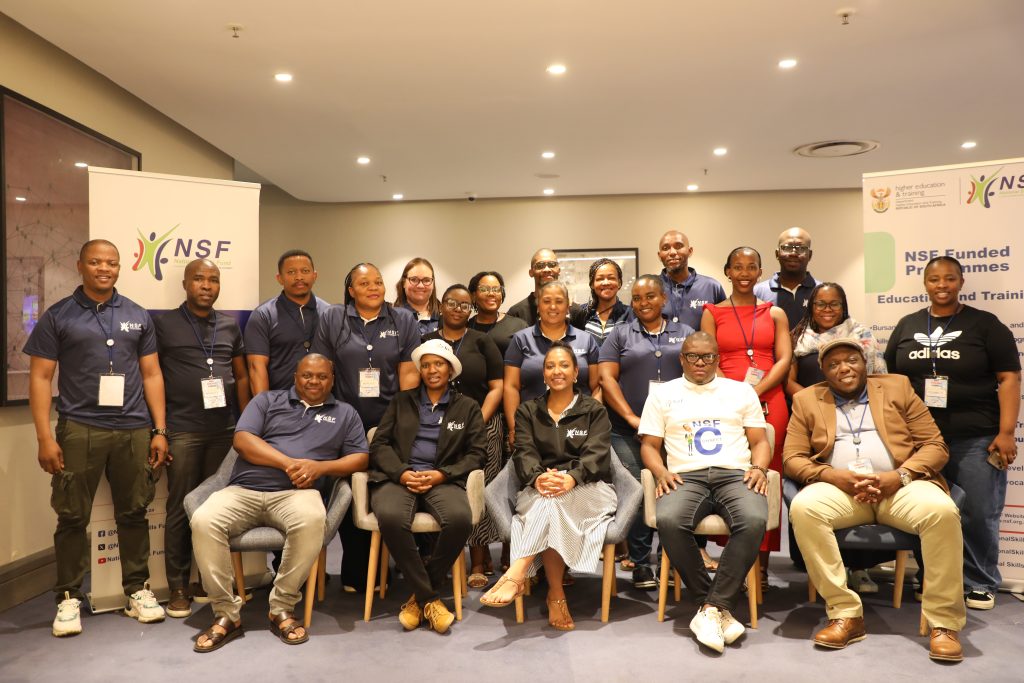
The National Skills Fund (NSF) has placed institutional reform, accountable leadership and measurable development outcomes at the centre of its strategic direction, following its inaugural Executive Committee (EXCO) Strategic Planning Session held on 13 and 14 October 2026.
The session brought together Acting Chief Executive Officer Ms Melissa Erra, Chief Financial Officer Mr Zama Khubeka, executive leadership, management and support staff to examine institutional priorities, strengthen co-ordination and shape the organisation’s reform agenda.
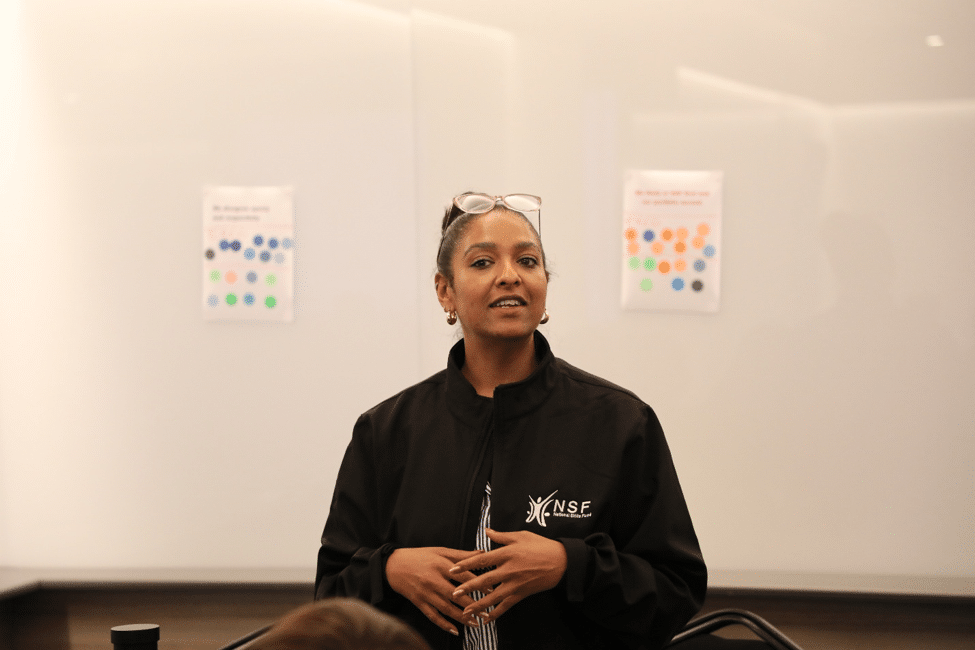
In her opening remarks, Ms Erra called for an Integrated NSF Reform Strategy combining immediate institutional stabilisation with structural transformation. She challenged leadership to ensure that organisational systems, funding decisions and operational performance collectively advance the NSF’s national mandate. “We must shift our focus from merely spending faster to investing lawfully and strategically,” Ms Erra said.
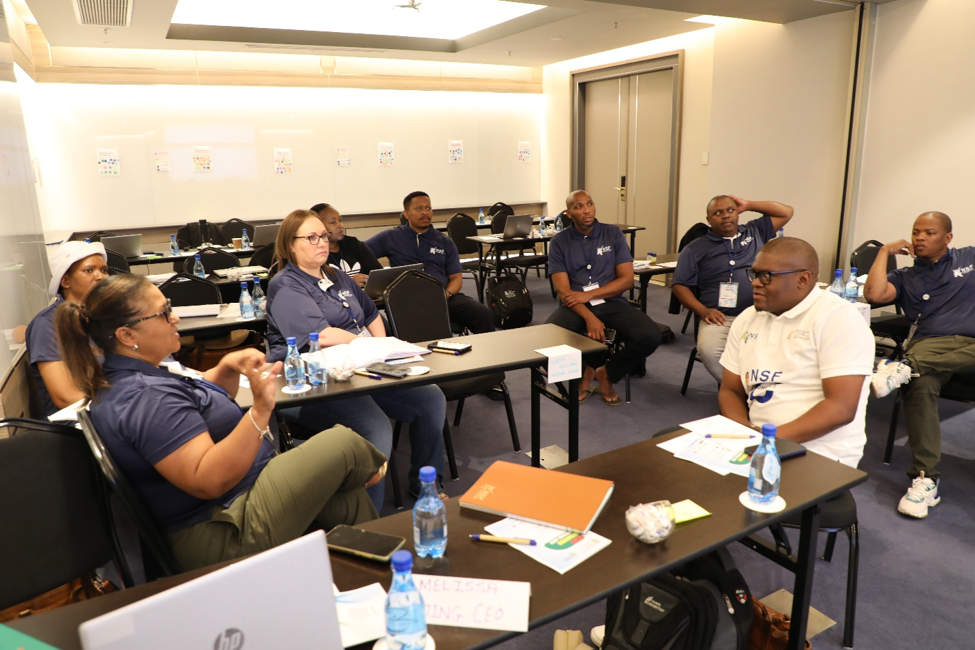
Her message placed the quality and purpose of investment alongside expenditure performance. Funding decisions must be informed by an accurate understanding of available resources, existing commitments and projects requiring intervention or reprioritisation.
Ms Erra outlined four pillars to guide this work: unified leadership, a clearly defined scope of reform, operational and financial discipline, and alignment with the broader NSF staff strategy. She called for stronger collective responsibility across finance, operations, project management and legal compliance. Institutional challenges, she emphasised, require coordinated leadership and shared ownership of performance across directorates.
This approach also places management and support staff within the reform process, connecting executive direction with the systems, administrative functions and implementation responsibilities necessary to translate strategy into delivery.
A central consideration was the NSF’s distinctive catalytic role within South Africa’s skills development system. Ms Erra urged leadership to clarify what the organisation should fund, where its resources can deliver the greatest strategic value, and how partnerships with education institutions, Sector Education and Training Authorities and employers can support these priorities.
She positioned outcomes-based funding (OBF) as an important instrument within a broader transformation agenda. The programme assigned Skills Development Implementation and the CFO responsibility for reviewing the NSF Strategic Funding Framework and reform towards an OBF model. This placed the finance function, led by Mr Khubeka, within the strategic work of connecting funding reform with sound resource management.
While employment and job retention remain significant, Ms Erra identified self-employment, progression into further learning, occupational mobility, institutional capacity and skills supporting industrialisation as additional measures of success.
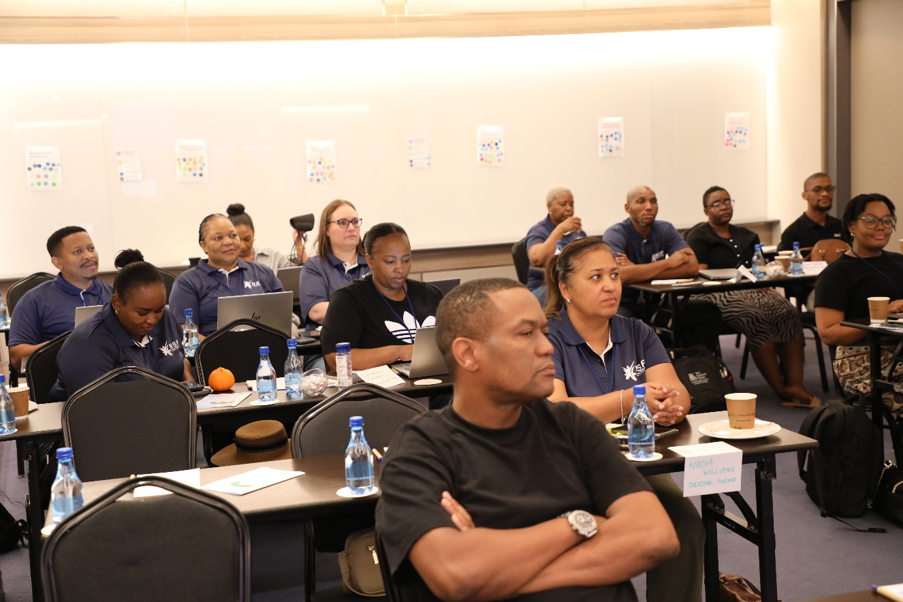
The strategic planning programme connected these priorities to the development of the NSF’s funding portfolio. Areas identified for consideration included infrastructure, occupations in high demand, artisan development, digital skills and the green economy, alongside priorities across the education and training system.
Day two provided for breakaway discussions to consolidate priority areas and strategic outcomes, followed by the development of a strategic results framework. This work was intended to connect NSF outcomes with indicators that respond to national skills development priorities.
The programme also included an implementation roadmap and monitoring approach, placing responsibility, co-ordination and oversight alongside the identification of funding priorities.
Ms Erra stressed that sustainable reform requires stronger governance and operational integrity. She highlighted the need to address audit findings, financial controls, project management weaknesses and consequence management, while drawing lessons from previous funding initiatives. Attention to implementation costs, verification and employer participation would help inform future approaches. Equally important was ensuring that public colleges, rural communities and smaller institutions are not excluded as funding models evolve.
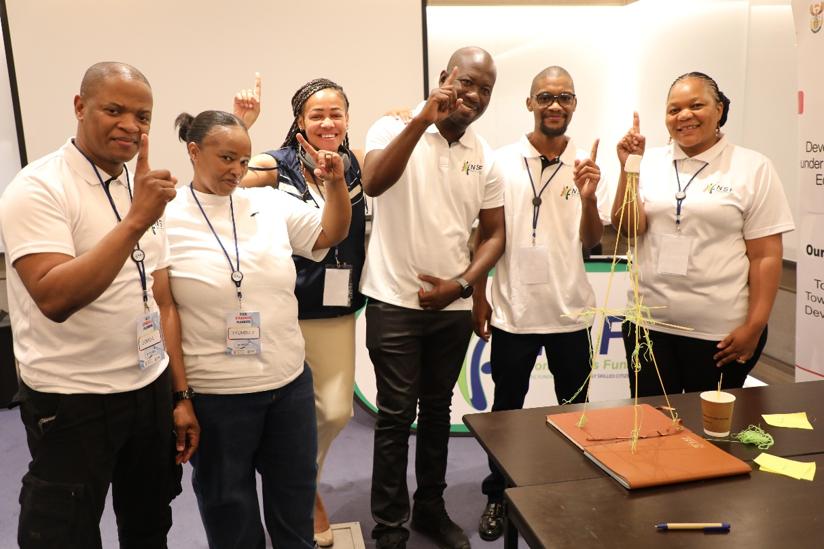
The executive planning process was intended to provide a foundation for the broader staff strategic planning session, giving teams clearer priorities, targets and consistent direction.
For Ms Erra, the immediate expectation was an actionable timetable for change that builds on existing reviews and diagnostics rather than beginning another assessment cycle.
The task ahead is to connect funding choices with defined public benefits and clear delivery responsibilities. For the NSF, progress will ultimately be demonstrated through credible institutions, accessible learning pathways and skills investments that enable more South Africans to participate meaningfully in the economy.