By Themba Ndlovu
The National Skills Fund (NSF) has intensified its focus on accountability and measurable skills development outcomes through oversight visits to two NSF-funded projects in Bloemfontein, bringing monitoring directly to the institutions responsible for turning public investment into opportunities for learners.
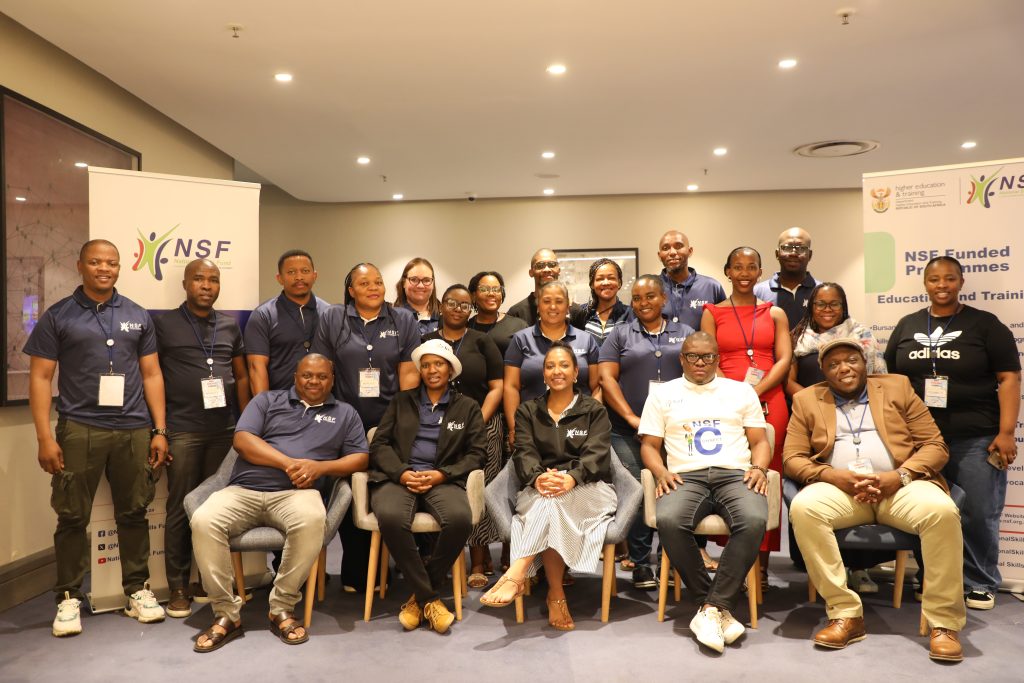
Led by Ms Kgaogelo Hlongwane, Chief Director: Skills Development and Implementation (SDI), the delegation visited Motheo TVET College and Education Electro Services, engaging management on project implementation, financial performance, learner outcomes and measures required to strengthen delivery.

The visits form part of the NSF’s broader commitment to ensuring that funding is accompanied by rigorous oversight throughout the project lifecycle and that challenges are identified and addressed before they compromise intended outcomes.
Motheo TVET College: Taking oversight beyond the boardroom
The first engagement took place at Motheo TVET College, where the NSF has allocated approximately R32.63 million to benefit 410 learners through the TVET Capacity Building and Occupational Programmes Phase III project.
The allocation forms part of a broader national investment of approximately R1.96 billion across 48 participating institutions, aimed at strengthening the capacity of the TVET college sector and expanding access to occupational and skills development opportunities.
At Motheo, approximately R13.89 million has already been transferred as the first tranche of the project funding. With the project scheduled to run until January 2027, discussions during the oversight engagement focused particularly on implementation and reporting matters requiring attention, as well as measures necessary to move the project forward.
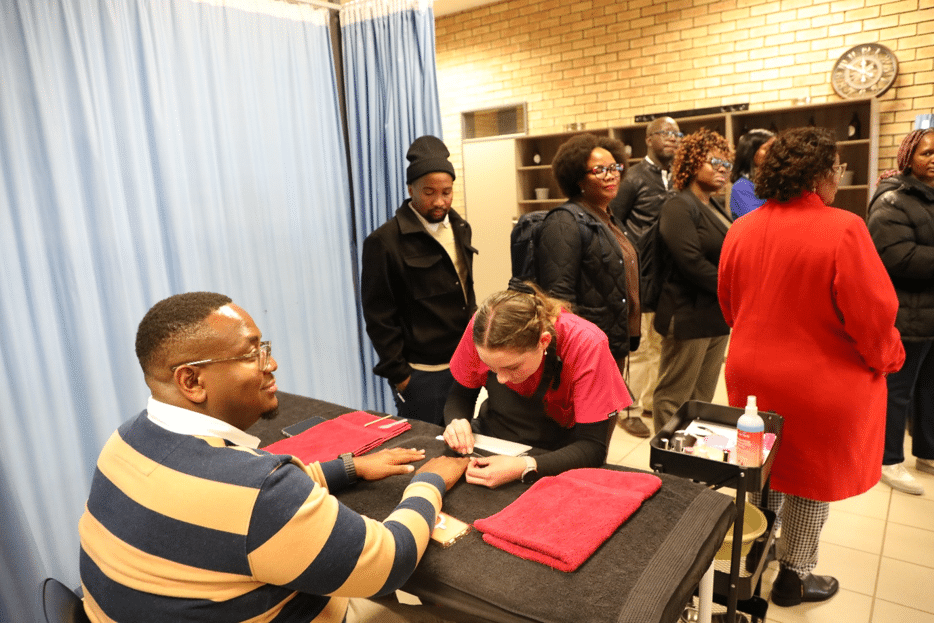
Following the formal discussions, the NSF delegation joined College management on a walkabout of the campus, moving the oversight process beyond the boardroom and into the project environment.
Hlongwane said effective oversight required the NSF to understand both progress and challenges at the point where programmes are being implemented.
“Oversight is not simply about reviewing reports; it is about understanding what is happening where implementation takes place. Where challenges exist, we must identify them, engage constructively and ensure that corrective action protects both the public investment and the beneficiaries these programmes are intended to serve,” said Hlongwane.
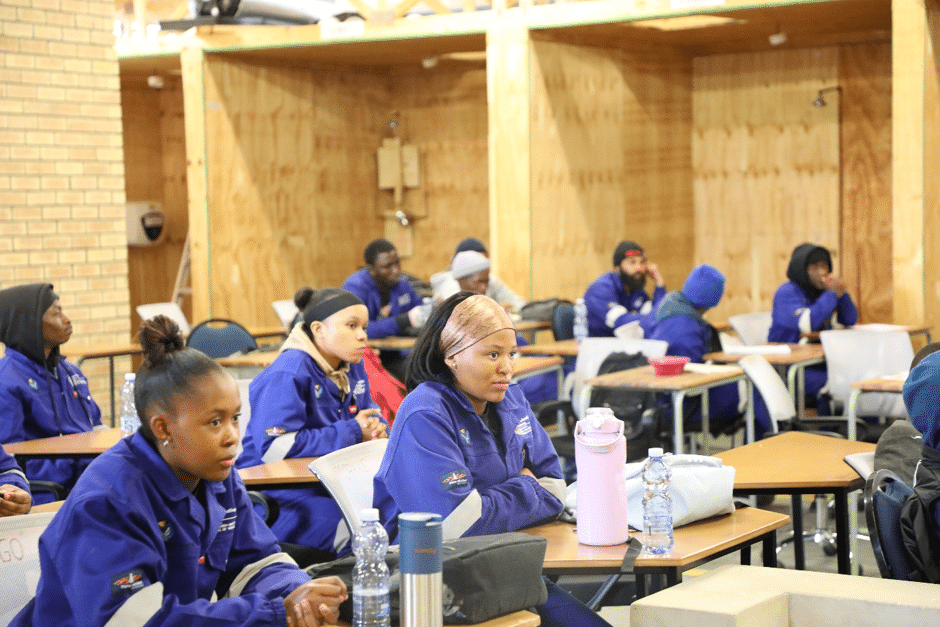
The engagement reinforced the strategic role of TVET colleges in developing occupational skills and building a stronger pipeline of artisans and technically skilled people required by the South African economy.
Education Electro Services: Turning investment into measurable outcomes

The second leg of the oversight programme took the delegation to Education Electro Services, a Bloemfontein-based training and trade-test centre with a longstanding focus on vocational and artisan development.
Here, attention turned to two major NSF-funded interventions with a combined value exceeding R118 million.
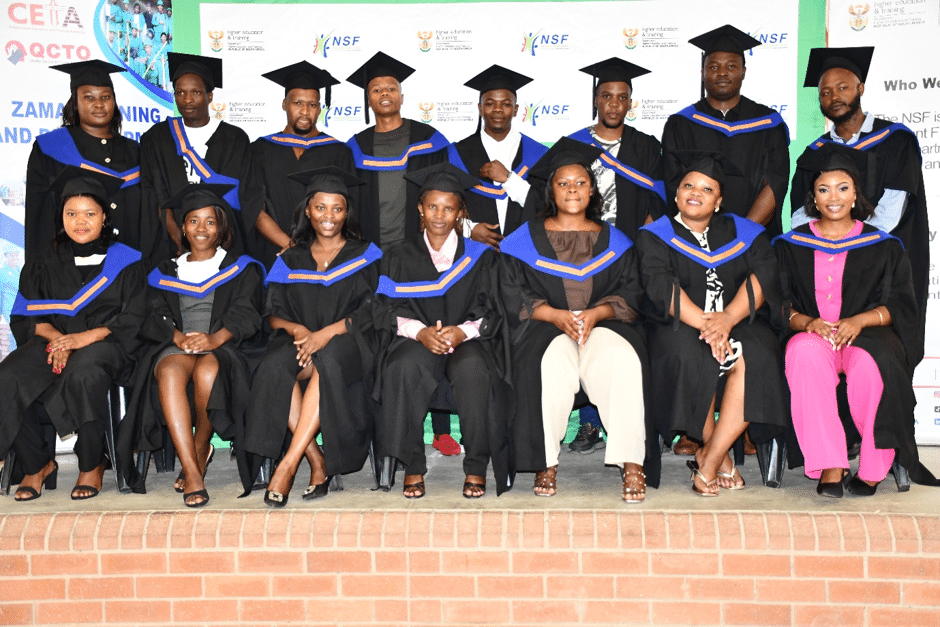
The NSF approved approximately R45.92 million for an Artisan Development Programme targeting 200 learners. The programme completed its implementation phase in March 2026, with 189 learners completing the programme, 149 achieving competency and 84 obtaining Red Seal certificates.
A further R72.21 million was allocated to a Work Integrated Learning programme targeting 500 Engineering and Business Studies learners. At the reporting stage, 331 learners had completed their programmes while 163 remained active, with final project closure scheduled for October 2026.
Education Electro Services CEO Ms Fulufhelo Murovhi highlighted the importance of partnerships that connect training with workplace requirements.
“Partnerships of this nature create opportunities for learners to move beyond theoretical knowledge and develop the practical competencies required by industry. Our responsibility is to ensure that this investment produces skilled people who are ready to participate meaningfully in the economy,” said Murovhi.
Concluding the day’s programme, Hlongwane emphasised that the value of NSF investment must ultimately be demonstrated through outcomes.
“Every rand invested in skills development must ultimately be measured against the opportunities and capabilities it creates. These visits enable the NSF to connect investment with implementation, implementation with accountability, and accountability with tangible impact for beneficiaries,” she said.
Through sustained oversight, the NSF continues to strengthen stewardship of public resources while keeping learners, skills development and measurable impact at the centre of its funding interventions.