By Sivuyisiwe Hombile
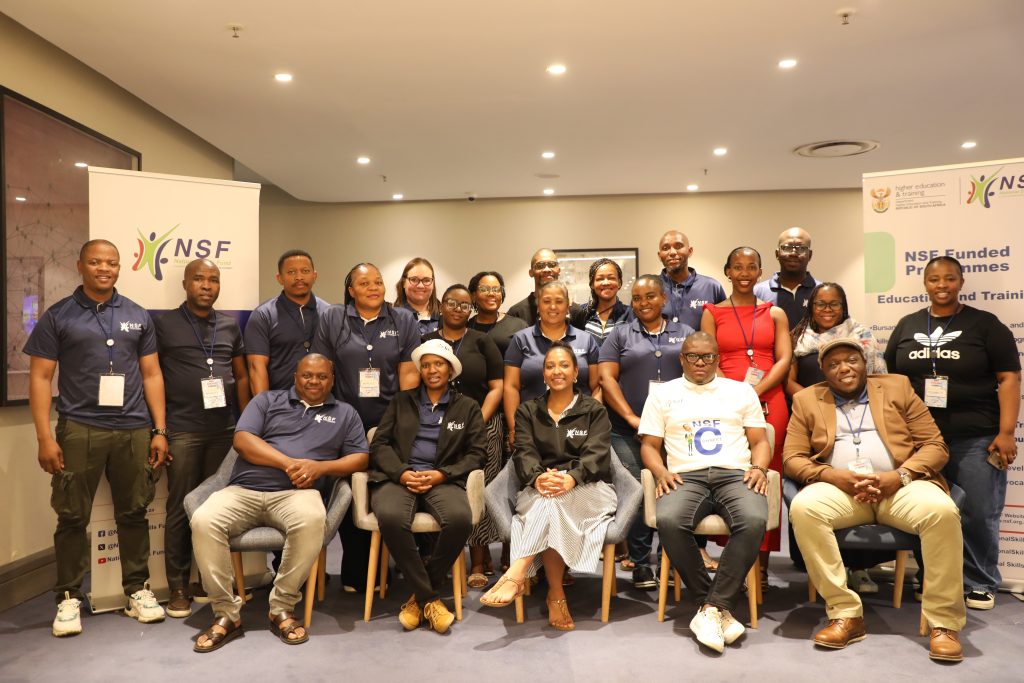
The Eastern Cape Regional Skills Development Provider (SDP) Workshop, held on 25–26 February 2026 at the Buffalo City TVET College East London Campus, brought together different stakeholders to strengthen governance, compliance, and programme delivery within the National Skills Fund (NSF) ecosystem. The workshop formed part of the NSF’s ongoing efforts to support SDPs in improving financial and operational accountability while preparing organisations for the difficult oversight standards of the Auditor-General of South Africa (AGSA).
The engagement emphasized the NSF’s commitment to bridging the gap between the funder and the funded through a practical, hands-on approach that prioritises audit readiness, improved reporting quality, and the consistent implementation of audit action plans. Over time, these engagements have produced measurable improvements. Notably, the Eastern Cape region recorded fewer material findings in the past financial year, demonstrating the positive impact of previous workshops aimed at strengthening documentation practices, financial reporting and governance systems among the implementing partners.
Central to the discussions was the need to move organisationsfrom a qualified towards a clean audit outcome, a progression that requires stronger internal controls and improved management of supporting documentation. A recurring theme in the workshop was the importance of establishing a clear framework for supporting documents, ensuring that all financial claims, invoices, and expenditure records are fully verifiable and properly filed. Inadequate invoice breakdowns, missing source documentation and inconsistencies between expenditure reported and evidence provided were identified as root causes of previous audit challenges.
Quality assurance discussions further highlighted the need for tough financial governance and documentation practices. SDPs were encouraged to avoid bundling invoices with unrelated supporting documents and instead maintain structured filing systems that allow for easy verification during audits. Equally important was the call for improved integration of information systems to manage project data, enabling better oversight of expenditure, learner information, and programme performance. These measures are intended to ensure the reliability of financial reporting and facilitate smoother engagement with AGSA during audit processes.

Governance expectations were also clarified in line with Memoranda of Agreement (MOA) obligations between the NSF and SDPs. Providers are required to submit monthly and quarterly reports within five days of the end of the reporting period using NSF-approved templates. These reports must include detailed financial performance against the approved project budget and cash flow forecast, supported by explanatory notes for any variances. In addition, SDPs must provide comprehensive beneficiary information, including demographic details, programme participation status and performance against enrolment targets.
The workshop also reinforced the importance of compliance and consequence management. Providers were reminded that failure to maintain accreditation, comply with reporting requirements, obtain prior written approval for structural or management changes could result in contractual consequences.
Beyond financial compliance, the sessions highlighted good governance practices that strengthen organisational accountability. These include the appropriate use of organisational bank accounts rather than personal accounts, proper activation of power of attorney processes where necessary for authorised financial decision-making and adherence to regulatory obligations such as the registration of information with the Information Regulator in line with data protection requirements. Such measures form part of broader efforts to ensure that SDPs maintain transparent and compliant operational environments.
A significant component of the workshop focused on accreditation and quality assurance within the national skills development landscape. Representatives from the Quality Council for Trades and Occupations (QCTO) emphasised that accreditation remains central to ensuring the credibility and relevance of training programmes. Accreditation ensures that training providers meet nationally recognised quality standards and remain aligned with labour market needs. This alignment is essential for improving employability outcomes and ensuring that skills programmes translate into tangible economic opportunities.
The workshop also included presentations from several SDPs, including Mtshanyana, whose agricultural training initiative demonstrated promising outcomes. As a funded project, the programme enrolled 200 learners across three NQF Level 2 agricultural programmes, achieving 161 certifications in its first year, representing an 80,5% success rate. Infrastructure development, including the activation of a 20-hectare farmland with irrigation systems, tractors, and greenhouses, has further strengthened the learning environment while contributing to rural employment and community food security.
Stipends provided to learners helped reduce economic barriers to participation, although some administrative delays were reported in stipend disbursement. From a funder’s perspective, these insights highlight the importance of strengthening administrative processes, improving communication with beneficiaries and ensuring that financial reconciliations including expenditure and interest reporting are submitted timeously to the NSF.
Ultimately, the Eastern Cape SDP Workshop reaffirmed the NSF’s strategic approach to capacity building, compliance, and continuous improvement across the skills development ecosystem. By strengthening documentation practices, aligning financial reporting with audit standards and reinforcing governance frameworks, the NSF and its partners are building a more accountable and effective system capable of delivering sustainable skills development outcomes. These collaborative engagements not only support SDPs in achieving stronger audit outcomes but also contribute to a shared commitment to transparency, quality assurance and impactful programme delivery across South Africa’s Post-School Education and Training (PSET) landscape.