By Sivuyisiwe Hombile
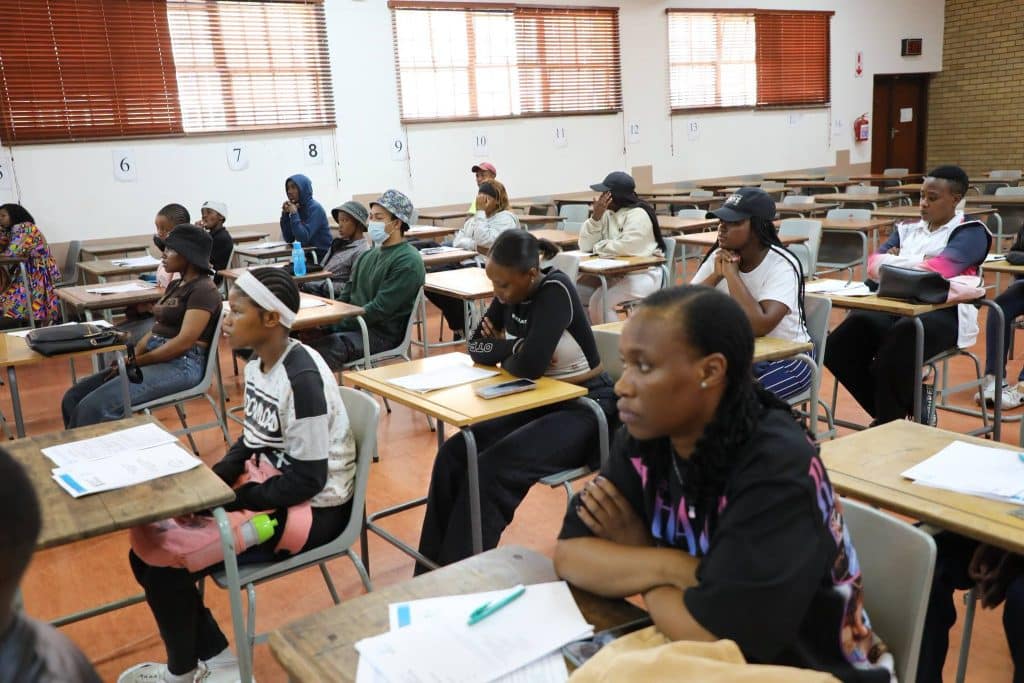
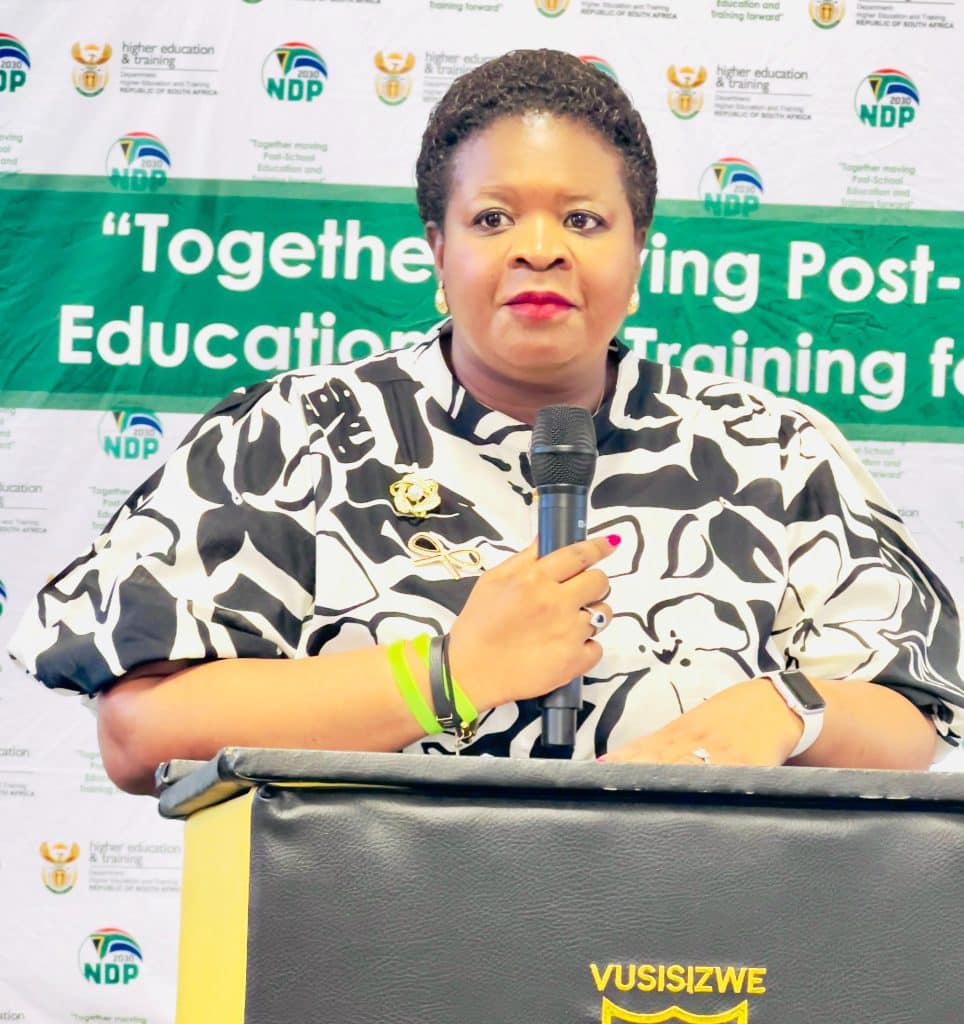
On 9 and 10 March 2026, the Deputy Minister of Higher Education and Training (DHET), Dr Mimmy Gondwe visited two schools in Worcester, Zwelethemba High School and Vusisizwe High School as part of the Matric Support Programme. The initiative brought together learners, educators, parents, and partners from across the Post-School Education and Training (PSET) system to encourage Grade 12 learners and help them prepare for life after matric.
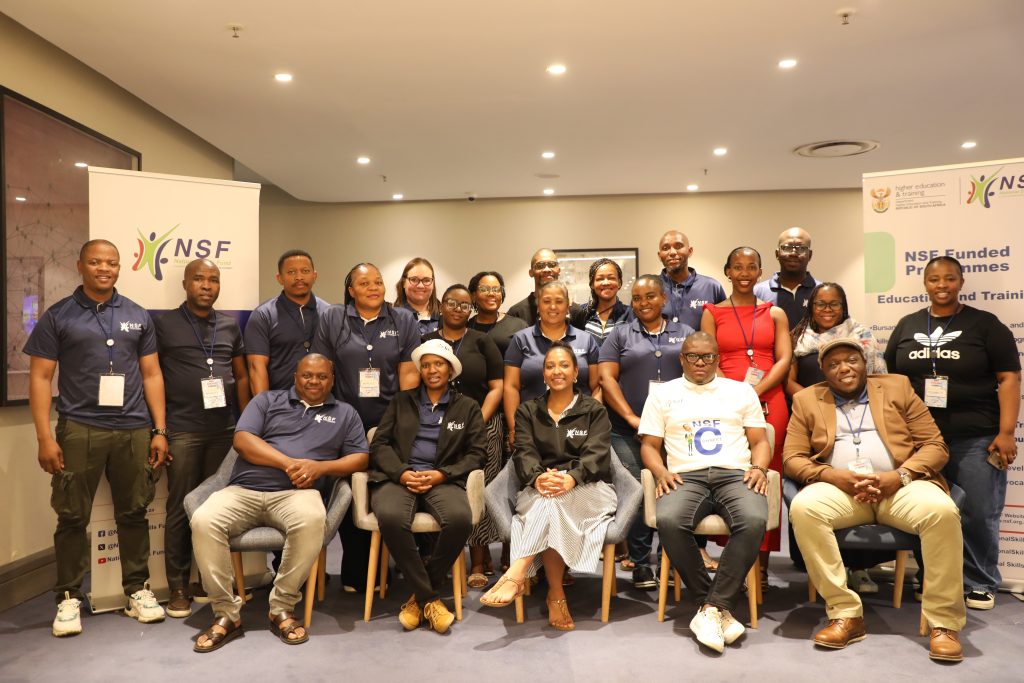
The programme was supported by several key partners, including SERVICES SETA, FP&M SETA, National Student Financial Aid Scheme (NSFAS), the National Skills Fund (NSF), Old Mutual, and the DHET’s Career Development Services, Khetha. Together, these organisations work to ensure that young people are informed about opportunities in higher education, skills development, and training.
Launched in 2025, the Matric Support Programme has already reached an estimated 986 learners. The initiative aims to motivate and guide Grade 12 learners while providing them with information about bursaries, career pathways and opportunities available after school. By visiting schools and engaging directly with learners, the programme helps young people better understand their options in universities, Technical and Vocational Education and Training (TVET) colleges, community colleges, and workplace training programmes.
During her visit, Deputy Minister Gondwe emphasised that education in South Africa must function as one connected system. She explained that the journey of the learners continues into the broader post-school system. Universities, TVET colleges, community colleges, learnerships, and apprenticeships all form part of the same national effort to develop skilled and capable young people.

’It is also important for learners and their parents to understand that the access to university is not the only viable pathway to success post matric. Yes, South Africa’s post education and training system, off course includes Universities.
But it also includes Technical and Vocational Education and Training colleges, Community Education and Training colleges, as well as learnerships, apprenticeships and occupational training programmes supported by our Sector Education and Training Authorities (SETAs).
These institutions form part of a single system that is designed to open doors for young people post matric. TVET colleges, for example, offer programmes that prepare students for careers in fields such as engineering, renewable energy, information technology, logistics and digital industries, sectors that are essential for the future growth of our economy and country.” Said Dr Gondwe in her keynote address.
She also highlighted the importance of Science, Technology, Engineering and Mathematics (STEM). These fields are essential for innovation, economic growth, and the development of industries in South Africa. Importantly, she encouraged young women to pursue careers in science and technology, reminding them that these fields need their ideas, skills, and leadership.
The programme also addressed one of the most pressing concerns for many families: the cost of higher education. Through the National Skills Fund (NSF), in collaboration with its implementing partners such as the National Student Financial Aid Scheme (NSFAS), thousands of students from low-income households are supported each year, enabling them to access quality higher education and training opportunities that would otherwise be out of reach.
In addition to direct funding, these initiatives are complemented by SETA-supported learnerships and internships, which provide both financial relief and practical workplace experience. Together, these funding mechanisms play a critical role in reducing financial barriers, promoting inclusivity, and ensuring that deserving young people are not limited by their socio-economic circumstances, but are instead empowered to pursue and achieve their academic and career aspirations.
The purpose of the Matric Support Programme is clear: to bridge the gap between basic education and post-school opportunities. By bringing government, the private sector and training institutions together, the initiative provides learners with guidance, information and encouragement during a critical stage of their lives.
The impact of the programme can already be seen in the enthusiasm and engagement of the learners who participated. Many learners leave these sessions with a clearer understanding of the opportunities available to them and the steps they need to take after matric. They also gain confidence, motivation and the reassurance that there are many different paths to success.
Ultimately, the Matric Support Programme is about empowerment. It reminds learners that education is a powerful tool that can open doors to opportunity, dignity and a brighter future. Through initiatives like this, the Department of Higher Education and Training (DHET) continues to ensure that young people across South Africa are informed, supported and inspired to pursue their dreams.